
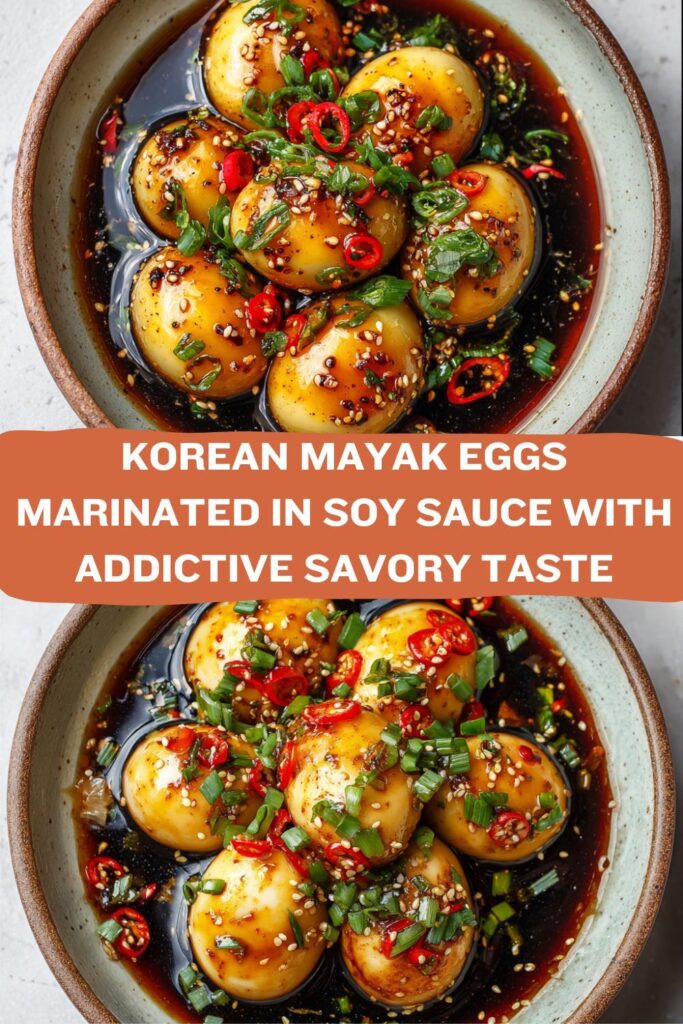
The first time I pulled a soy sauce egg from a jar in a cramped Taipei night market stall, the yolk ran like warm honey and the white tasted of star anise and sweet dark soy. I stood there, chopsticks in hand, and understood that something so simple could feel like a small ceremony. These Asian Soy Sauce Eggs are that memory, bottled in my own refrigerator.
Advertisements1
This is a recipe for wanderers. You boil eggs, you whisk a marinade, you wait. That's it. The magic happens while you sleep, while you answer emails, while you forget about them entirely. Six hours is good. Overnight is better. Two days is transcendent.
I keep a jar going almost constantly now, tucked behind the mustard, a quiet promise that dinner can be solved with rice, a spoon of chili oil, and one of these amber-stained orbs. Make them once and you'll understand why I stopped buying them.
Why You'll Love This Recipe
About the Ingredients
6 large eggs, straight from the refrigerator
Cold eggs peel more cleanly than room-temperature ones, which matters enormously here. If you only have fresh farm eggs, add a pinch of baking soda to the boiling water to loosen the shells.
1/2 cup (120 ml) low-sodium soy sauce
Low-sodium keeps the marinade from turning punishingly salty over a long soak. Tamari works beautifully if you need this gluten-free, and it's slightly richer.
1/4 cup (60 ml) mirin
Mirin brings sweetness and a faint sake glow that plain sugar can't replicate. If you're out, use 2 tablespoons rice vinegar plus 1 tablespoon honey and expect a tangier egg.
2 tablespoons (30 ml) water
This dilutes the brine just enough so the eggs don't over-cure. Skip it and your two-day eggs will taste like the bottom of a soy bottle.
2 cloves garlic, smashed but left whole
Smashing releases allicin without turning the brine bitter. A single smashed shallot is a lovely stand-in if garlic feels too aggressive.
1 (1-inch) piece fresh ginger, thinly sliced
No need to peel it; the skin adds a clean, almost citrusy edge. Galangal would take you in a Thai direction and is worth trying once.
2 dried red chilies, or 1 teaspoon red pepper flakes
Dried chilies steep gently and build warmth without heat-shock. Gochugaru gives a fruitier, rounder burn if you prefer Korean-style eggs.
1 star anise pod
One pod is plenty; two will bully the whole jar. A small piece of cinnamon bark or a strip of orange peel is a fine aromatic swap.
1 teaspoon toasted sesame oil, for drizzling
Toasted, not plain, or you'll lose the nutty perfume entirely. A few drops of chili crisp also work if you want crunch.
1 scallion, thinly sliced, for garnish
Slice on a sharp bias so the rings stay crisp. Chives or a pinch of toasted sesame seeds are easy alternatives.
Tips & Tricks
Peel under cold running water
The shell slides off in sheets when the egg is cold and the water gets between membrane and white. Warm eggs tear and take the white with them.
Don't over-boil the eggs
Six and a half minutes from the moment they hit boiling water gives you that custardy center. Seven and a half minutes gets you a fully set, still-tender yolk if runny eggs aren't your thing.
Flip the jar once
Eggs float, so the tops can sit above the brine and cure unevenly. Turn the jar upside down at the halfway point, or weigh the eggs down with a small clean dish.
Taste before you commit
Marinades vary wildly by brand. Dip a spoon in before adding the eggs; if it's aggressively salty, add another tablespoon of water or a splash of mirin.
Pro Tips
Step-by-Step Instructions
1. Boil the eggs
Bring a medium saucepan of water to a rolling boil over high heat, roughly 212 F (100 C). Lower the cold eggs in gently with a slotted spoon and cook for exactly 6 minutes 30 seconds for a jammy yolk, adjusting to 7 minutes 30 seconds if you want it fully set. You'll see the water bubbling hard around the shells the whole time.
2. Shock them cold
Transfer the eggs immediately to a bowl of ice water and let them sit for 10 minutes until they're cold to the touch. This halts cooking and makes the shells release cleanly in big, satisfying curls.
3. Peel carefully
Tap each egg on the counter, roll it gently under your palm, then peel under a thin stream of cold running water, starting at the fat end. The membrane should come away with the shell, leaving a smooth, glossy white.
4. Build the marinade
In a bowl or quart-sized jar, whisk together 1/2 cup soy sauce, 1/4 cup mirin, 2 tablespoons water, the smashed garlic, sliced ginger, chilies, and star anise. Taste it; it should be savory, a touch sweet, and just shy of too salty.
5. Submerge the eggs
Nestle the peeled eggs into the marinade, making sure they're fully covered. If they bob above the surface, add a splash more water or weigh them down with a small clean ramekin. Seal the jar.
6. Marinate overnight
Refrigerate for at least 6 hours and ideally 12 to 24 hours. At the 6-hour mark the flavor is a bright halo around the white; at 24 hours it has soaked nearly to the yolk, which is exactly where I like it.
7. Slice and serve
Lift the eggs out, blot them dry, and halve them with a wet knife. The yolk should be glossy and just barely flowing. Drizzle with toasted sesame oil and scatter the scallion over the top.
Delicious Variations
Miso-Maple Eggs
Swap the mirin for 2 tablespoons white miso paste and 1 tablespoon maple syrup, then marinate 18 hours for a deeper, almost caramelized cure.
Spicy Gochugaru Eggs
Replace the dried chilies and star anise with 1 tablespoon gochugaru and a teaspoon of grated garlic for a Korean-style jar with a slow, fruity burn.
Citrus-Soy Eggs
Add the zest of one orange and a splash of rice vinegar to the brine, marinate 8 hours, and serve over cold soba for a bright, summery lunch.
How to Store Asian Soy Sauce Eggs
Refrigerator
Keep the eggs fully submerged in the marinade in a sealed jar for up to 5 days. The flavor deepens daily, so taste one at day three to see where your ideal is.
Freezer
Not recommended. The whites turn rubbery and weepy once thawed, and the jammy yolk loses its custardy texture entirely.
Reheating
These are best cold or at room temperature. If you want them warm, drop them into a bowl of hot broth or ramen for 60 seconds rather than microwaving, which will overcook the yolk.
Frequently Asked Questions
Q: How long should I marinate soy sauce eggs?
Six hours is the minimum for noticeable flavor, and 12 to 24 hours is the sweet spot for eggs cured nearly to the yolk. Past 48 hours they become quite salty and firm, though still delicious crumbled over rice.
Q: Why are my soy sauce eggs rubbery?
Rubbery eggs almost always come from overcooking, not from the marinade. Boil for 6 to 7 minutes, then move them to ice water immediately so the residual heat doesn't keep cooking the whites.
Q: Can I reuse the soy sauce marinade?
Yes, once. Strain out the solids, boil the liquid for two minutes to sterilize it, cool it completely, and submerge a fresh batch of peeled eggs. The second round will be milder, which many people actually prefer.
Q: Are soy sauce eggs the same as tea eggs?
No, though they're cousins. Tea eggs are simmered in a spiced brine with black tea and cracked shells, giving them a marbled look, while soy sauce eggs are peeled first and cured cold for a cleaner, more uniform amber color.
Q: How do I keep the yolks from turning green?
The gray-green ring comes from overcooking and iron-sulfur reaction, so pull the eggs at 6 to 7 minutes and shock them in ice water. A perfectly timed egg has a bright, custardy yolk with no ring at all.
Make a jar this weekend, then let it sit quietly in the back of the fridge while you get on with your life. Tomorrow, slice one over hot rice, drizzle it with sesame oil, and tell me it wasn't worth the wait. And if you find yourself near a little Asian grocer with a dusty shelf of mirin, buy two bottles. You'll need them. Wander wisely.
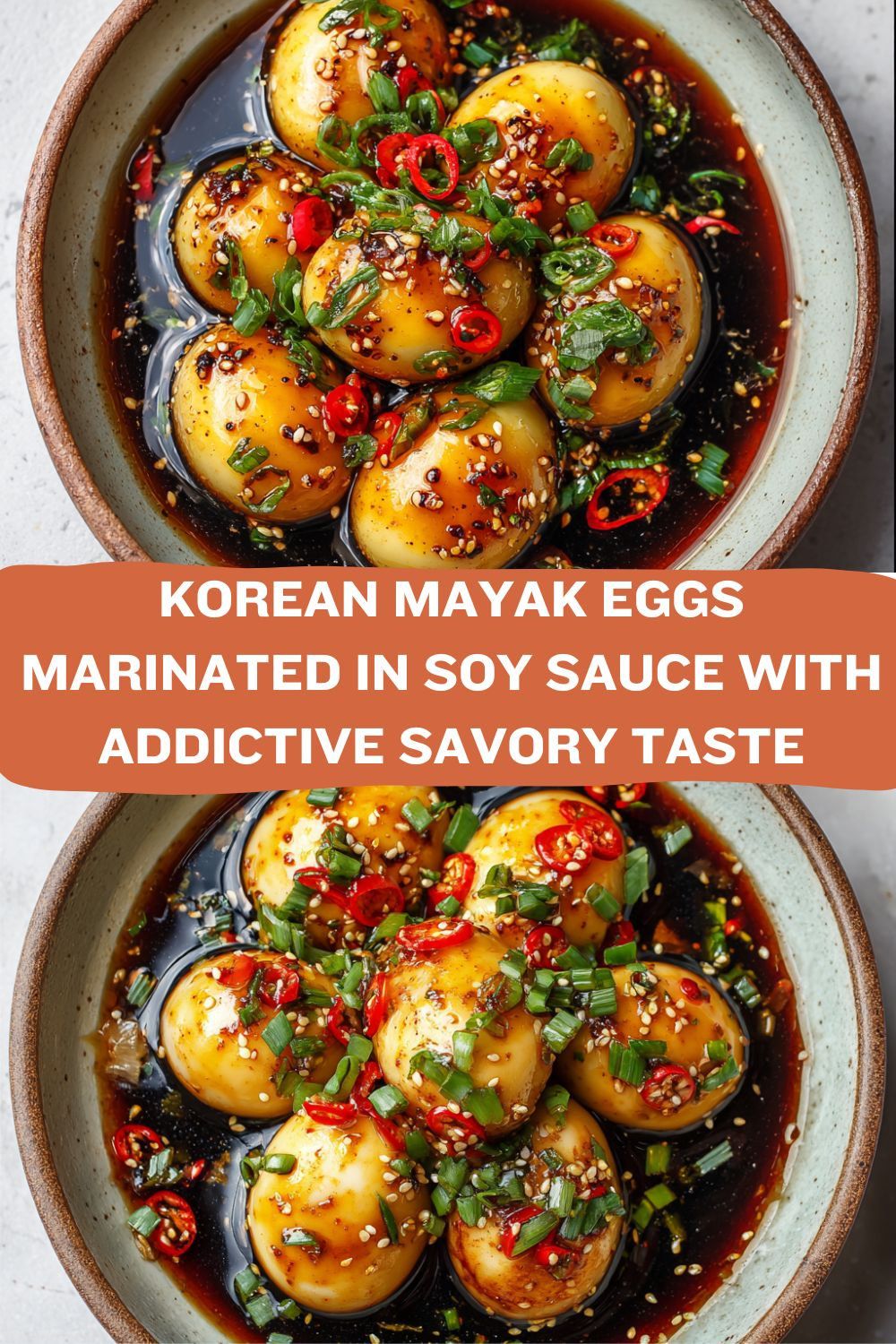
Asian Soy Sauce Eggs
Asian Soy Sauce Eggs are jammy soft-cooked eggs steeped in a savory soy marinade, an easy, protein-packed topping for ramen, rice bowls, and snacks.
🧂 Ingredients
- 6 large eggs, straight from the refrigerator
- 1/2 cup (120 ml) low-sodium soy sauce
- 1/4 cup (60 ml) mirin
- 2 tablespoons (30 ml) water
- 2 cloves garlic, smashed but left whole
- 1 (1-inch) piece fresh ginger, thinly sliced
- 2 dried red chilies, or 1 teaspoon red pepper flakes
- 1 star anise pod
- 1 teaspoon toasted sesame oil, for drizzling
- 1 scallion, thinly sliced, for garnish
📋 Instructions
- 1Boil the eggs — Bring a medium saucepan of water to a rolling boil over high heat, roughly 212 F (100 C). Lower the cold eggs in gently with a slotted spoon and cook for exactly 6 minutes 30 seconds for a jammy yolk, adjusting to 7 minutes 30 seconds if you want it fully set. You'll see the water bubbling hard around the shells the whole time.
- 2Shock them cold — Transfer the eggs immediately to a bowl of ice water and let them sit for 10 minutes until they're cold to the touch. This halts cooking and makes the shells release cleanly in big, satisfying curls.
- 3Peel carefully — Tap each egg on the counter, roll it gently under your palm, then peel under a thin stream of cold running water, starting at the fat end. The membrane should come away with the shell, leaving a smooth, glossy white.
- 4Build the marinade — In a bowl or quart-sized jar, whisk together 1/2 cup soy sauce, 1/4 cup mirin, 2 tablespoons water, the smashed garlic, sliced ginger, chilies, and star anise. Taste it; it should be savory, a touch sweet, and just shy of too salty.
- 5Submerge the eggs — Nestle the peeled eggs into the marinade, making sure they're fully covered. If they bob above the surface, add a splash more water or weigh them down with a small clean ramekin. Seal the jar.
- 6Marinate overnight — Refrigerate for at least 6 hours and ideally 12 to 24 hours. At the 6-hour mark the flavor is a bright halo around the white; at 24 hours it has soaked nearly to the yolk, which is exactly where I like it.
- 7Slice and serve — Lift the eggs out, blot them dry, and halve them with a wet knife. The yolk should be glossy and just barely flowing. Drizzle with toasted sesame oil and scatter the scallion over the top.

Sofia writes about minimalist travel and slow tourism, sharing itineraries that emphasize local culture and off-season visits. She believes travel is about experiences, not checklists.