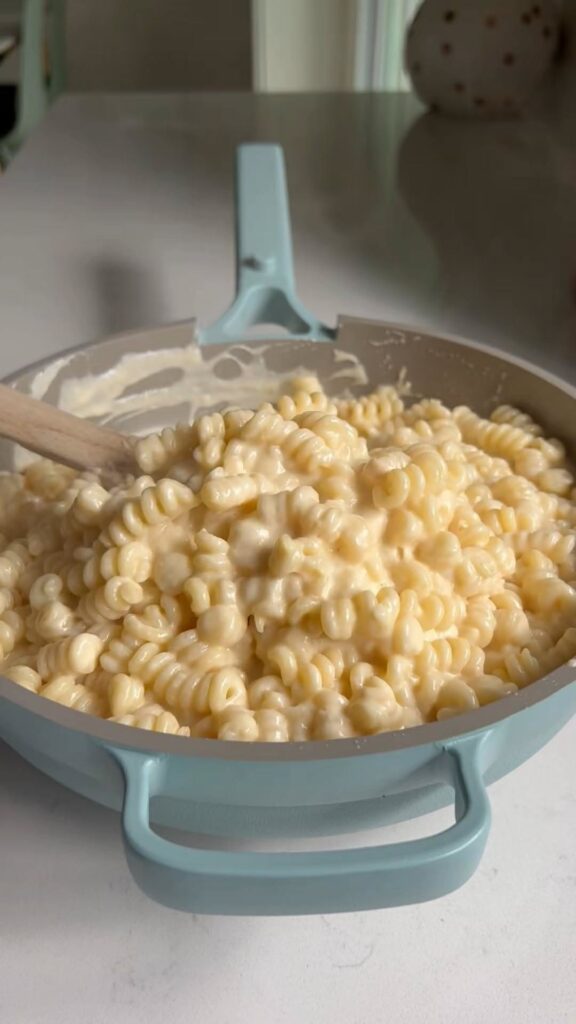
Mac and cheese is the ultimate comfort food, but let's be honest: the boxed stuff is a chemical experiment, and many homemade versions turn into a gluey mess. This creamy Gouda mac and cheese is different. It uses a scientific approach—proper starch management, a touch of sodium citrate for foolproof smoothness, and a blend of Gouda and sharp cheddar for depth. The result is a sauce that stays silky even when reheated, making it the perfect side for summer BBQs or holiday tables.
Advertisements1
Why Gouda? Smoked Gouda brings a subtle smokiness that pairs beautifully with grilled meats, while young Gouda melts like a dream. Combined with sharp cheddar for tang, you get a complex flavor profile that beats any plain cheddar version. This recipe is designed to be forgiving: no roux, no flour, just science and good cheese. Whether you're feeding a crowd or meal-prepping, this dish delivers consistent, creamy results every time.
Why You'll Love This Recipe
About the Ingredients
1 lb (450g) elbow macaroni
Use a short pasta like elbows, cavatappi, or shells. Buy a bronze-cut variety for better sauce adherence; substitute with gluten-free pasta if needed.
3 cups (720ml) whole milk
Whole milk provides the fat needed for a rich sauce. For a lighter version, use 2% but add an extra tablespoon of butter. Avoid skim—it will make the sauce thin.
1 cup (240ml) heavy cream
Heavy cream adds richness and helps stabilize the sauce. You can substitute with half-and-half, but the sauce will be less luxurious.
1 teaspoon sodium citrate
This is the secret to smooth cheese sauce. It's a salt derived from citric acid that prevents cheese from separating. Find it online or in specialty stores; you can substitute with a splash of white wine (1 tbsp) but the texture will be slightly less stable.
8 oz (225g) smoked Gouda, shredded
Smoked Gouda provides the smoky flavor. Buy a block and shred yourself for best melting; if you can't find smoked, use regular Gouda and add 1/2 tsp smoked paprika.
8 oz (225g) sharp cheddar, shredded
Sharp cheddar adds tang and color. Use a high-quality aged cheddar; avoid pre-shredded (it has anti-caking agents that affect melting).
4 oz (115g) cream cheese, softened
Cream cheese adds creaminess and a slight tang. Use full-fat for best results; you can omit it, but the sauce will be less thick.
1 teaspoon Dijon mustard
Mustard enhances the cheese flavor and adds a subtle kick. Substitute with 1/2 tsp dry mustard powder.
1/2 teaspoon garlic powder
Adds savory depth. Use fresh minced garlic (1 clove) if you prefer, but powder blends more smoothly.
1/2 teaspoon onion powder
Adds a subtle sweetness. You can skip it or use a pinch of nutmeg instead.
1/2 teaspoon salt, plus more for pasta water
Seasoning is crucial. Use kosher salt for pasta water and fine salt for the sauce.
1/4 teaspoon black pepper
Freshly ground is best. Adjust to taste.
Tips & Tricks
Shred your own cheese
Pre-shredded cheese contains cellulose and anti-caking agents that prevent smooth melting. Shred from a block for the best texture.
Don't over-boil the pasta
Cook it 1 minute less than package directions. It will finish cooking in the sauce, keeping it al dente.
Heat the milk mixture slowly
If you boil the milk too aggressively, it can curdle. Keep the heat medium and stir often.
Use a whisk
When adding cheese, whisk constantly to ensure even melting and a lump-free sauce.
Pro Tips
Step-by-Step Instructions
1. Cook the Pasta
Bring a large pot of salted water to a rolling boil (212°F / 100°C). Add the macaroni and cook until al dente, about 7 minutes (or 1 minute less than package instructions). Drain and set aside. Do not rinse; the starch helps the sauce cling.
2. Heat the Dairy
In a large saucepan, combine the milk, cream, and sodium citrate. Heat over medium heat, stirring occasionally, until the mixture is warm and the sodium citrate is dissolved, about 3 minutes. Do not boil—aim for 160°F (71°C).
3. Melt the Cheeses
Reduce heat to low. Add the shredded Gouda, cheddar, and softened cream cheese in handfuls, whisking constantly until each addition is fully melted and smooth. The sauce should be glossy and thick, reaching about 165°F (74°C). Continue until all cheese is incorporated.
4. Season the Sauce
Stir in the Dijon mustard, garlic powder, onion powder, salt, and black pepper. Taste and adjust seasoning. The sauce should be well-seasoned—remember the pasta will dilute it.
5. Combine Pasta and Sauce
Add the drained macaroni to the sauce and stir gently with a spatula until every piece is coated. If the sauce is too thick, add a splash of reserved pasta water to reach your desired consistency.
6. Rest and Serve
Remove from heat and let the mac and cheese rest for 5 minutes. This allows the sauce to thicken slightly and the flavors to meld. Serve warm, garnished with extra black pepper or smoked paprika if desired.
Delicious Variations
Baked version
Transfer to a baking dish, top with buttered breadcrumbs, and bake at 375°F (190°C) for 20 minutes until golden and bubbling.
Add protein
Stir in cooked bacon, pulled pork, or smoked sausage for a heartier dish.
Spicy kick
Add 1/2 teaspoon cayenne pepper or a dash of hot sauce for heat.
How to Store Creamy Gouda Mac and Cheese
Refrigerator
Store in an airtight container for up to 4 days. The sauce may thicken when cold; add a splash of milk when reheating.
Freezer
Freeze in a freezer-safe container for up to 3 months. Thaw overnight in the fridge before reheating.
Reheating
Reheat in a saucepan over low heat, stirring in a splash of milk or cream to restore creaminess. Alternatively, microwave in 30-second intervals, stirring between.
Frequently Asked Questions
Q: Can I make this mac and cheese without sodium citrate?
Yes, you can substitute with a classic roux (butter and flour) to thicken the sauce. However, sodium citrate guarantees a smooth, non-grainy texture that is harder to achieve with roux. If using roux, melt 3 tbsp butter, whisk in 3 tbsp flour, cook for 1 minute, then gradually whisk in the milk and cream before adding cheese.
Q: What is the best cheese for mac and cheese?
A combination of a good melting cheese like Gouda or fontina and a sharp cheddar for flavor is ideal. Avoid cheeses that are high in moisture like mozzarella, which can become stringy, or aged cheeses that may not melt smoothly.
Q: Why is my cheese sauce grainy or clumpy?
Grainy sauce usually happens when the cheese is added too quickly or at too high a temperature. Always add cheese in small handfuls over low heat, and whisk constantly. Also, avoid using pre-shredded cheese with anti-caking agents.
Q: Can I use skim milk or almond milk?
Skim milk will result in a thinner sauce, but you can add an extra tablespoon of butter to compensate. Almond milk may curdle due to its acidity and lower fat content; it's not recommended. Whole milk or 2% are best.
Q: How do I make this mac and cheese gluten-free?
Use gluten-free pasta and ensure your Dijon mustard and other ingredients are gluten-free. The sauce is naturally gluten-free as it doesn't use flour. Check labels on processed cheese for any gluten additives.
If you're ready to elevate your side dish game, try this creamy Gouda mac and cheese at your next BBQ. It's a crowd-pleaser that will have everyone asking for the recipe. Share your results in the comments below!
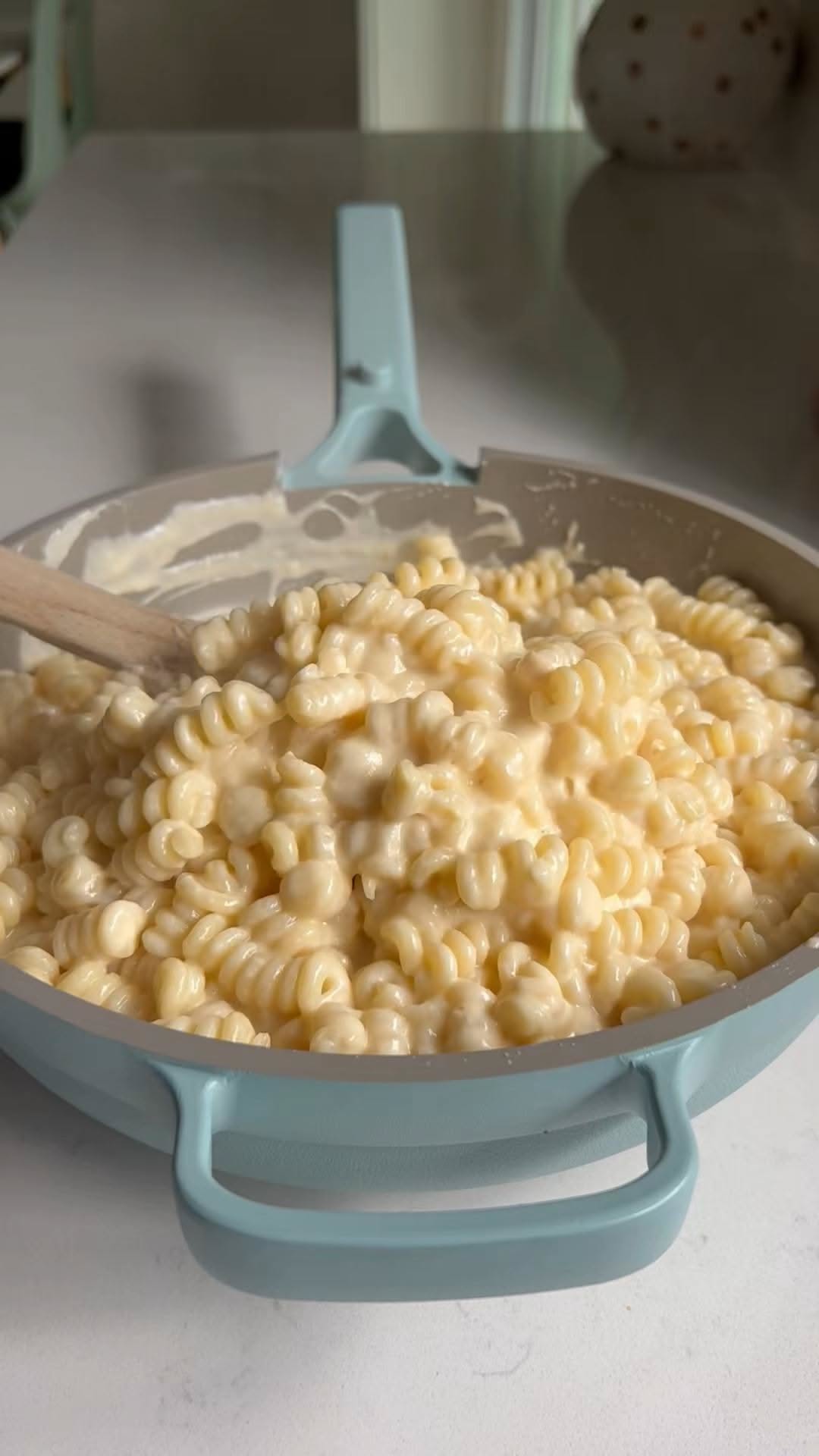
Creamy Gouda Mac and Cheese
Creamy Gouda Mac and Cheese: smoky, rich, and perfect for summer BBQs. This easy stovetop recipe delivers velvety comfort in 50 minutes.
🧂 Ingredients
- 1 lb (450g) elbow macaroni
- 3 cups (720ml) whole milk
- 1 cup (240ml) heavy cream
- 1 teaspoon sodium citrate
- 8 oz (225g) smoked Gouda, shredded
- 8 oz (225g) sharp cheddar, shredded
- 4 oz (115g) cream cheese, softened
- 1 teaspoon Dijon mustard
- 1/2 teaspoon garlic powder
- 1/2 teaspoon onion powder
- 1/2 teaspoon salt, plus more for pasta water
- 1/4 teaspoon black pepper
📋 Instructions
- 1Cook the Pasta — Bring a large pot of salted water to a rolling boil (212°F / 100°C). Add the macaroni and cook until al dente, about 7 minutes (or 1 minute less than package instructions). Drain and set aside. Do not rinse; the starch helps the sauce cling.
- 2Heat the Dairy — In a large saucepan, combine the milk, cream, and sodium citrate. Heat over medium heat, stirring occasionally, until the mixture is warm and the sodium citrate is dissolved, about 3 minutes. Do not boil—aim for 160°F (71°C).
- 3Melt the Cheeses — Reduce heat to low. Add the shredded Gouda, cheddar, and softened cream cheese in handfuls, whisking constantly until each addition is fully melted and smooth. The sauce should be glossy and thick, reaching about 165°F (74°C). Continue until all cheese is incorporated.
- 4Season the Sauce — Stir in the Dijon mustard, garlic powder, onion powder, salt, and black pepper. Taste and adjust seasoning. The sauce should be well-seasoned—remember the pasta will dilute it.
- 5Combine Pasta and Sauce — Add the drained macaroni to the sauce and stir gently with a spatula until every piece is coated. If the sauce is too thick, add a splash of reserved pasta water to reach your desired consistency.
- 6Rest and Serve — Remove from heat and let the mac and cheese rest for 5 minutes. This allows the sauce to thicken slightly and the flavors to meld. Serve warm, garnished with extra black pepper or smoked paprika if desired.

Liam covers personal finance and investing for beginners, with a focus on behavioral psychology and avoiding common money traps. He writes from the perspective of a self-taught enthusiast.