
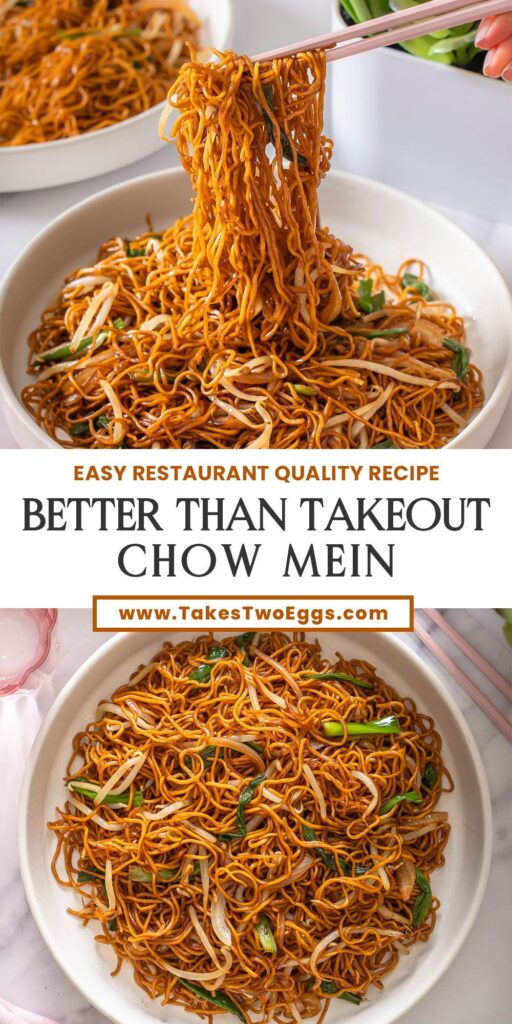
There are some dishes that feel like a warm hug on a busy weeknight, and this Easy Chow Mein Recipe is exactly that. The sizzle of vegetables hitting a hot wok, the aroma of garlic and ginger blooming in oil, and the satisfying chew of noodles coated in a glossy, savory sauce—it's a symphony of textures and flavors that transports you straight to your favorite street food stall.
Advertisements1
This recipe is my go-to when I need something fast, flavorful, and flexible. It's a blank canvas for whatever vegetables you have lurking in the crisper drawer, and it comes together in a flash. The secret is in the high heat and the quick toss, giving you that coveted smoky wok hei without a special burner.
Whether you're a seasoned cook or a kitchen novice, this chow mein is forgiving and foolproof. It's the kind of meal that makes you look like a hero on a Tuesday night, and it's sure to become a regular in your rotation. So, let's fire up the stove and create something delicious together.
Why You'll Love This Recipe
About the Ingredients
8 oz (225g) fresh chow mein noodles (or 6 oz dried)
Fresh noodles are ideal for the best texture, but dried or even spaghetti works in a pinch. Look for them in the refrigerated section of Asian markets or use lo mein noodles.
2 tablespoons vegetable oil, divided
Use a neutral oil with a high smoke point like peanut or canola. This is essential for getting that high-heat sear without burning.
2 cloves garlic, minced
Fresh garlic is key; pre-minced jarred garlic can be used in a pinch but has less flavor. Add it at the end to avoid burning.
1 teaspoon fresh ginger, grated
Fresh ginger adds a bright, zesty kick. If you don't have fresh, use 1/2 teaspoon ground ginger.
1 cup (150g) shredded cabbage
Napa cabbage is traditional, but green cabbage works too. You can also use a pre-shredded coleslaw mix for convenience.
1 large carrot, julienned
Julienne the carrot into thin matchsticks for even cooking. A mandoline or box grater can speed this up.
1/2 cup (75g) snow peas, trimmed
Snow peas add a sweet crunch. Sugar snap peas or green beans are good substitutes.
3 green onions, sliced into 2-inch pieces
Both the white and green parts are used. Slice them diagonally for a nice presentation.
3 tablespoons soy sauce
Use low-sodium soy sauce to control saltiness. Tamari or coconut aminos work for gluten-free.
1 tablespoon oyster sauce
Oyster sauce adds depth and umami. For vegetarian, use mushroom oyster sauce or hoisin.
1 teaspoon sesame oil
Toasted sesame oil is a must for that nutty aroma. Don't skip it; it's the finishing touch.
1 teaspoon sugar
A little sugar balances the salty and savory flavors. You can use honey or maple syrup instead.
Tips & Tricks
- Prep all ingredients before you start cooking—this dish comes together quickly, and having everything ready prevents burning.
- Use the highest heat your stove can handle to get that smoky wok hei flavor. If you have a wok, great; a large skillet works too.
- Don't overcrowd the pan; cook in batches if needed to ensure vegetables stay crisp and don't steam.
- If using dried noodles, cook them according to package directions and rinse with cold water to stop cooking.
Pro Tips
Step-by-Step Instructions
1. Cook the Noodles
Bring a large pot of water to a boil (212°F / 100°C). Cook the chow mein noodles according to package directions until just tender, usually 2-3 minutes for fresh. Drain and rinse with cold water to stop cooking, then toss with a little sesame oil to prevent sticking. Set aside.
2. Mix the Sauce
In a small bowl, whisk together soy sauce, oyster sauce, sugar, and 2 tablespoons of water. Set aside. This sauce will be added at the end, so having it ready ensures a quick toss.
3. Heat the Wok
Place a wok or large skillet over high heat until it's hot and a drop of water sizzles immediately. Add 1 tablespoon of vegetable oil and swirl to coat the surface. The oil should shimmer but not smoke.
4. Stir-Fry Aromatics
Add the garlic and ginger to the hot oil. Stir-fry for about 30 seconds until fragrant, being careful not to burn them. This infuses the oil with flavor.
5. Cook the Vegetables
Add the cabbage, carrot, and snow peas. Stir-fry for 2-3 minutes until the vegetables are crisp-tender but still vibrant. The cabbage should be slightly wilted but still crunchy. Push the vegetables to the side of the wok.
6. Add the Noodles
Pour the remaining 1 tablespoon of oil into the center of the wok. Add the cooked noodles and toss everything together. Use tongs to combine the noodles with the vegetables, ensuring they're well mixed.
7. Pour the Sauce
Drizzle the sauce over the noodles and vegetables. Toss continuously for 1-2 minutes until the sauce coats everything evenly and is heated through. The noodles should be glossy and slightly caramelized at the edges.
8. Finish and Serve
Remove from heat and stir in the green onions and sesame oil. Toss once more. Serve immediately, garnished with extra green onions if desired. Enjoy the perfect balance of flavors and textures!
Delicious Variations
Protein-Packed
Add 1 cup of cooked chicken, beef, or shrimp along with the vegetables for a heartier meal.
Spicy Kick
Stir in 1-2 teaspoons of sriracha or chili garlic sauce with the sauce for a fiery version.
Vegetarian/Vegan
Use mushroom oyster sauce or hoisin instead of oyster sauce, and add extra mushrooms or tofu.
How to Store Easy Chow Mein Recipe
Refrigerator
Store leftovers in an airtight container for up to 3 days. The noodles may absorb sauce, so add a splash of water or soy sauce when reheating.
Freezer
Freeze in a freezer-safe container for up to 2 months. Thaw overnight in the fridge before reheating.
Reheating
Reheat in a hot wok or skillet over medium-high heat with a little oil, or microwave in 30-second intervals, stirring between.
Frequently Asked Questions
Q: What is chow mein?
Chow mein is a Chinese stir-fried noodle dish made with egg noodles, vegetables, and a savory sauce. It's often served as a takeout favorite and can be made with crispy or soft noodles.
Q: Can I use spaghetti instead of chow mein noodles?
Yes, you can use spaghetti or any long pasta in a pinch. Cook it al dente and proceed with the recipe; the texture will be slightly different but still delicious.
Q: How do I make chow mein not soggy?
To avoid soggy chow mein, make sure your noodles are well-drained and dry before adding to the wok. Also, cook over high heat and don't overcook the vegetables.
Q: What is the best oil for stir-frying?
Use an oil with a high smoke point, such as peanut, canola, or avocado oil. These can withstand high heat without burning, which is essential for wok cooking.
Q: Can I make chow mein ahead of time?
Yes, you can prepare the components ahead and stir-fry just before serving. Cooked chow mein can be stored for up to 3 days, but it's best fresh.
I hope this Easy Chow Mein Recipe brings a little bit of takeout magic to your kitchen. It's a dish that invites experimentation, so don't be afraid to make it your own. If you try it, I'd love to hear how it turns out—leave a comment below or tag me in your photos. Happy cooking, and remember to savor the simple joys of a home-cooked meal. Wander wisely.
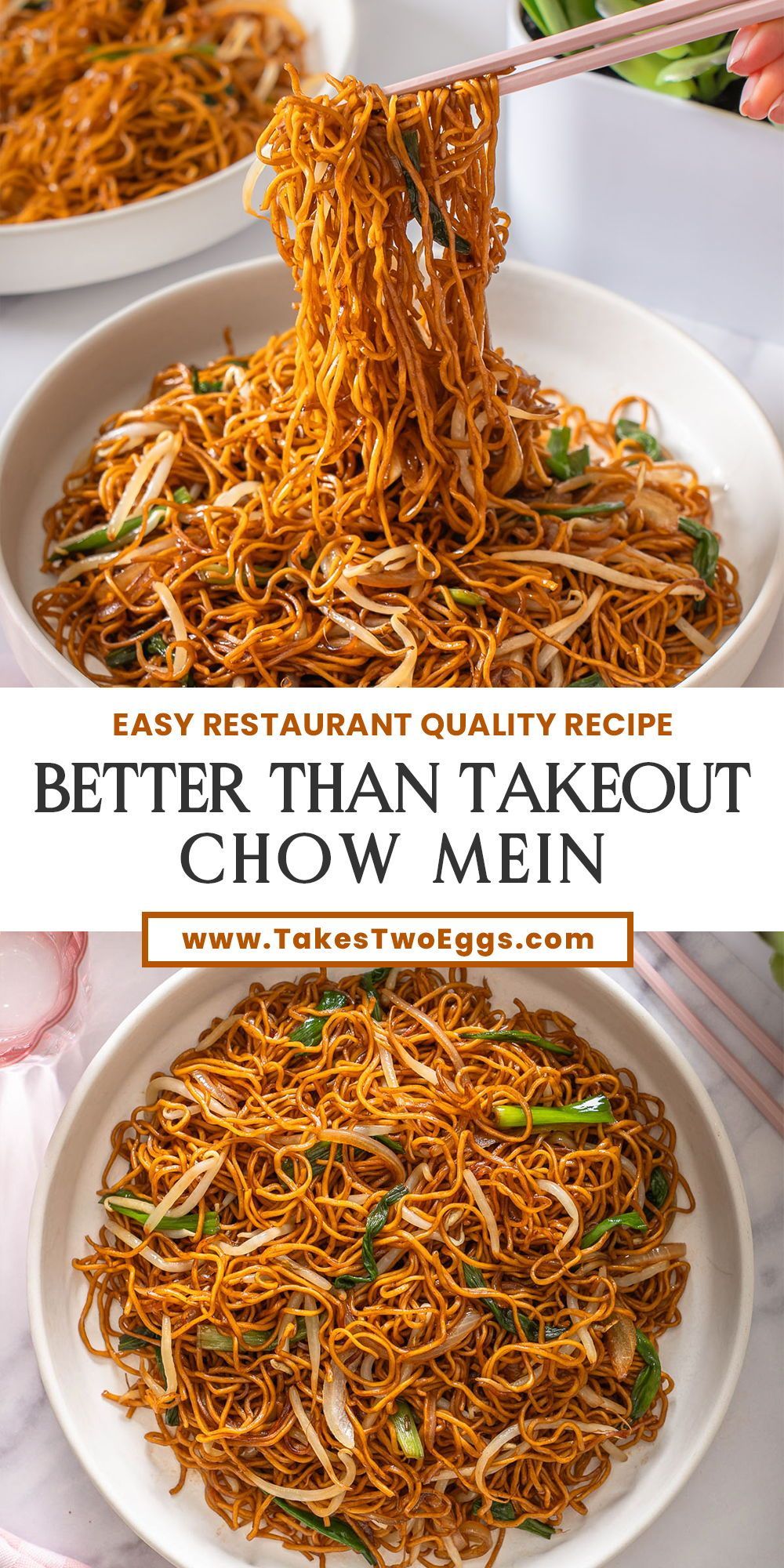
Easy Chow Mein Recipe
Easy Chow Mein Recipe with crispy noodles and tender veggies in a savory sauce, ready in 15 minutes for a quick weeknight dinner.
🧂 Ingredients
- 8 oz (225g) fresh chow mein noodles (or 6 oz dried)
- 2 tablespoons vegetable oil, divided
- 2 cloves garlic, minced
- 1 teaspoon fresh ginger, grated
- 1 cup (150g) shredded cabbage
- 1 large carrot, julienned
- 1/2 cup (75g) snow peas, trimmed
- 3 green onions, sliced into 2-inch pieces
- 3 tablespoons soy sauce
- 1 tablespoon oyster sauce
- 1 teaspoon sesame oil
- 1 teaspoon sugar
📋 Instructions
- 1Cook the Noodles — Bring a large pot of water to a boil (212°F / 100°C). Cook the chow mein noodles according to package directions until just tender, usually 2-3 minutes for fresh. Drain and rinse with cold water to stop cooking, then toss with a little sesame oil to prevent sticking. Set aside.
- 2Mix the Sauce — In a small bowl, whisk together soy sauce, oyster sauce, sugar, and 2 tablespoons of water. Set aside. This sauce will be added at the end, so having it ready ensures a quick toss.
- 3Heat the Wok — Place a wok or large skillet over high heat until it's hot and a drop of water sizzles immediately. Add 1 tablespoon of vegetable oil and swirl to coat the surface. The oil should shimmer but not smoke.
- 4Stir-Fry Aromatics — Add the garlic and ginger to the hot oil. Stir-fry for about 30 seconds until fragrant, being careful not to burn them. This infuses the oil with flavor.
- 5Cook the Vegetables — Add the cabbage, carrot, and snow peas. Stir-fry for 2-3 minutes until the vegetables are crisp-tender but still vibrant. The cabbage should be slightly wilted but still crunchy. Push the vegetables to the side of the wok.
- 6Add the Noodles — Pour the remaining 1 tablespoon of oil into the center of the wok. Add the cooked noodles and toss everything together. Use tongs to combine the noodles with the vegetables, ensuring they're well mixed.
- 7Pour the Sauce — Drizzle the sauce over the noodles and vegetables. Toss continuously for 1-2 minutes until the sauce coats everything evenly and is heated through. The noodles should be glossy and slightly caramelized at the edges.
- 8Finish and Serve — Remove from heat and stir in the green onions and sesame oil. Toss once more. Serve immediately, garnished with extra green onions if desired. Enjoy the perfect balance of flavors and textures!

Sofia writes about minimalist travel and slow tourism, sharing itineraries that emphasize local culture and off-season visits. She believes travel is about experiences, not checklists.