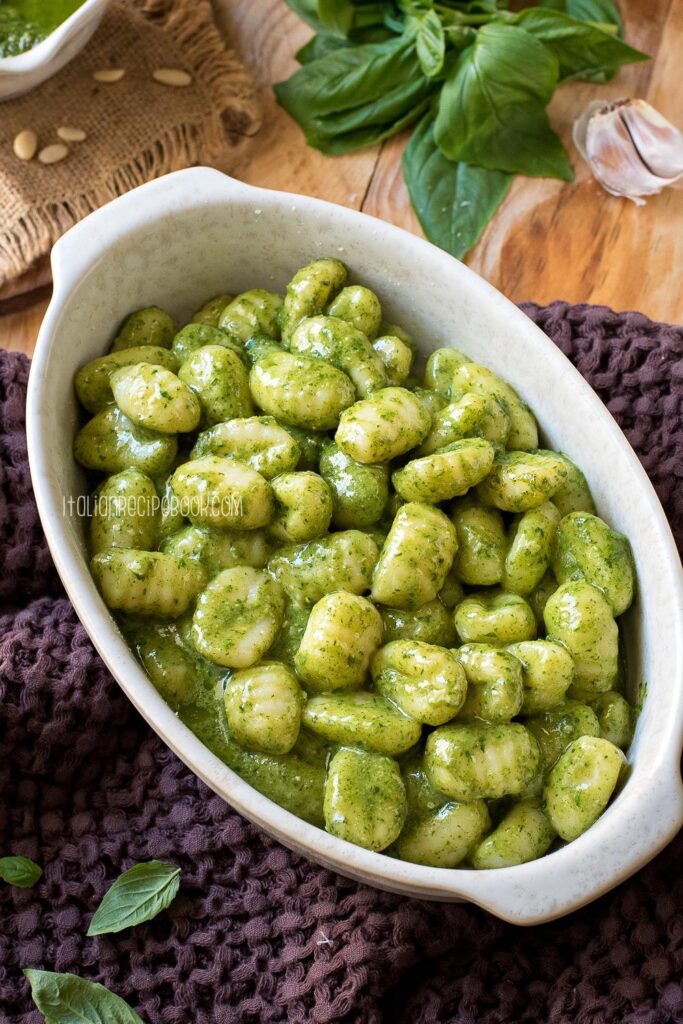
I remember the first time I tried to make pesto at home. I was so excited, but it turned out thin and bitter. My family politely ate it, but I knew I could do better. Over the years, I've perfected my creamy pesto sauce, and now it's a staple in my kitchen.
Advertisements1
This sauce is a game-changer. It's silky, rich, and packed with fresh basil and Parmesan. The secret is blending a bit of cream cheese and heavy cream into the classic pesto, which gives it a luxurious texture without overpowering the herbs.
Whether you toss it with pasta, spread it on a sandwich, or dollop it over grilled chicken, this sauce brings a burst of flavor that feels fancy but is secretly simple. Let's get started!
Why You'll Love This Recipe
About the Ingredients
2 cups (40g) fresh basil leaves, packed
Use fresh basil for the best flavor. If you can't find fresh, you can substitute spinach or arugula for a different twist.
1/2 cup (60g) pine nuts, toasted
Toasting brings out their nutty flavor. You can swap with walnuts or almonds if needed.
1/2 cup (50g) grated Parmesan cheese
Freshly grated is best. For a vegetarian version, use a cheese labeled vegetarian-friendly.
2 cloves garlic, minced
Fresh garlic is key. If you're in a pinch, use 1/2 teaspoon garlic powder.
1/2 cup (120ml) extra-virgin olive oil
Good quality oil makes a difference. You can use regular olive oil if that's what you have.
1/4 cup (60g) cream cheese, softened
This gives the sauce its creaminess. For a lighter option, use reduced-fat cream cheese.
1/4 cup (60ml) heavy cream
Adds richness. You can substitute half-and-half for a lighter sauce.
1 tablespoon fresh lemon juice
Brightens the flavors. Use bottled juice if needed, but fresh is better.
Salt and black pepper to taste
Season according to your preference. Start with a pinch and adjust.
Tips & Tricks
- If your sauce is too thick, add a splash of pasta water or milk to thin it out.
- Don't over-blend the sauce; you want a little texture, not a completely smooth puree.
- Taste as you go! Adjust salt, lemon, or garlic to your liking.
Pro Tips
Step-by-Step Instructions
1. Toast the pine nuts
In a small skillet over medium heat (350°F / 175°C), toast the pine nuts for 3-4 minutes, shaking often, until golden brown and fragrant. Watch carefully—they burn quickly.
2. Blend the base
In a food processor, combine the basil, toasted pine nuts, Parmesan, garlic, and lemon juice. Pulse until coarsely chopped.
3. Add the oil
With the processor running, slowly drizzle in the olive oil until the mixture is smooth and well combined. Stop and scrape down the sides as needed.
4. Add creaminess
Add the softened cream cheese and heavy cream. Process for another 30 seconds until fully incorporated and the sauce is creamy.
5. Season to taste
Taste the sauce and season with salt and black pepper as needed. Remember, the Parmesan adds salt, so go easy at first.
6. Serve or store
Use immediately over hot pasta, or transfer to a jar and refrigerate for later. The sauce will thicken when cold; let it come to room temperature before serving.
Delicious Variations
Sun-dried tomato pesto
Replace half the basil with sun-dried tomatoes (drained and chopped) for a sweet, tangy twist.
Spicy arrabiata pesto
Add 1/2 teaspoon red pepper flakes with the garlic for a kick.
Lemon herb pesto
Add the zest of one lemon and 1 teaspoon fresh thyme leaves for a bright, herby flavor.
How to Store Creamy Pesto Sauce
Refrigerator
Store in an airtight container for up to 5 days. Press a layer of plastic wrap directly on the surface to prevent browning.
Freezer
Freeze in ice cube trays for up to 3 months. Pop out cubes and store in a freezer bag. Thaw in the fridge overnight.
Reheating
To reheat, gently warm in a saucepan over low heat (around 160°F / 70°C), stirring in a splash of pasta water or cream to restore consistency.
Frequently Asked Questions
Q: Can I make creamy pesto sauce ahead of time?
Yes, you can make it up to 5 days ahead. Store it in the fridge with a layer of plastic wrap directly on the surface to keep it green.
Q: How do I prevent the sauce from turning brown?
The sauce oxidizes when exposed to air. Press plastic wrap on the surface and add a little lemon juice to slow browning.
Q: Can I freeze this sauce?
Absolutely. Freeze in ice cube trays for easy portions. The texture may change slightly, but it's perfect for cooking.
Q: What can I use instead of pine nuts?
Walnuts, almonds, or even sunflower seeds work well. Toast them for extra flavor.
Q: Is this sauce gluten-free?
Yes, all ingredients are naturally gluten-free. Just check your Parmesan and cream cheese for additives.
Try this creamy pesto sauce this week and let me know how you use it! Share your favorite way to enjoy it in the comments below. Small steps count.
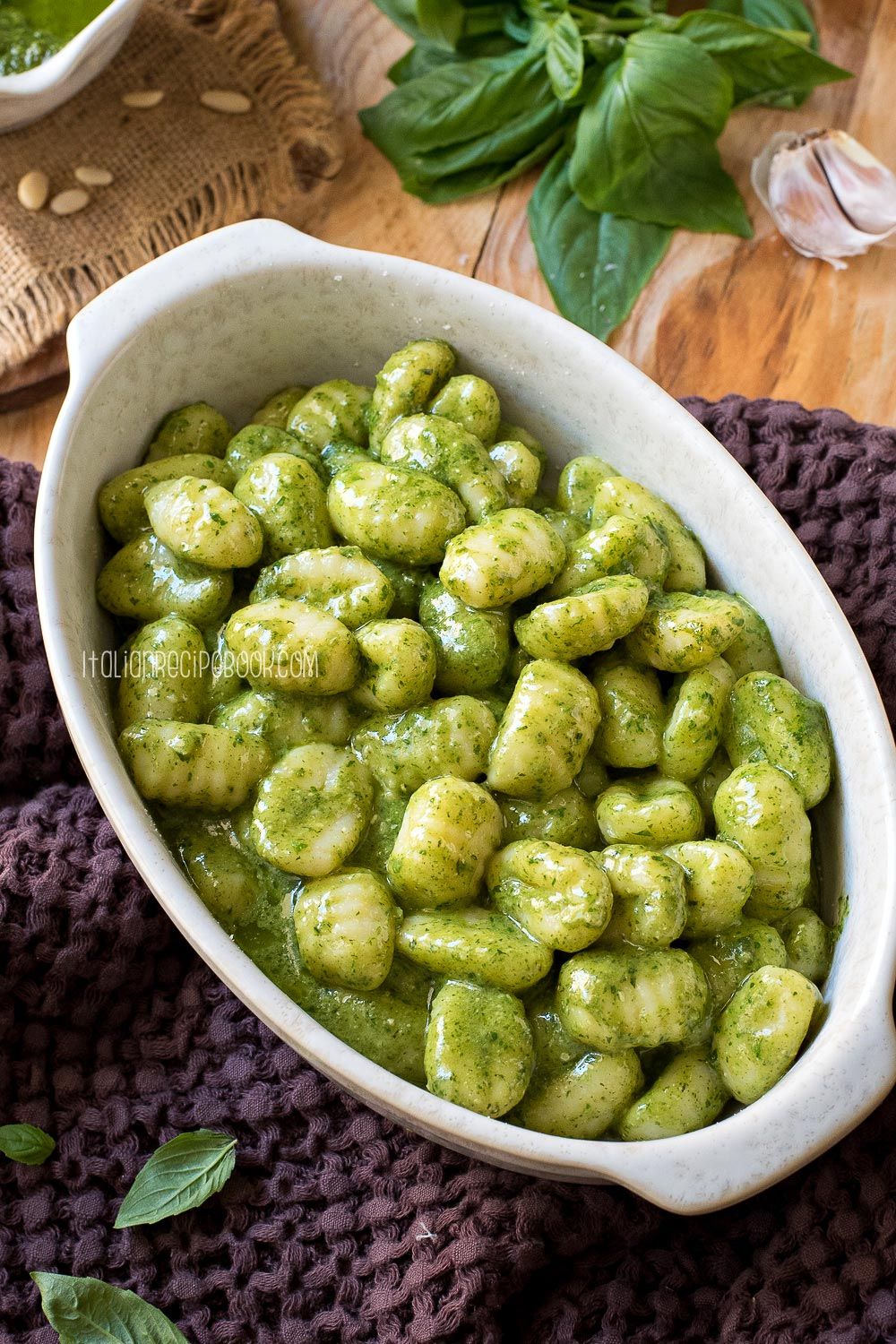
Creamy Pesto Sauce
Rich, velvety pesto sauce that's ready in 15 minutes. Perfect for pasta, chicken, or dipping. Bursting with fresh basil flavor.
🧂 Ingredients
- 2 cups (40g) fresh basil leaves, packed
- 1/2 cup (60g) pine nuts, toasted
- 1/2 cup (50g) grated Parmesan cheese
- 2 cloves garlic, minced
- 1/2 cup (120ml) extra-virgin olive oil
- 1/4 cup (60g) cream cheese, softened
- 1/4 cup (60ml) heavy cream
- 1 tablespoon fresh lemon juice
- Salt and black pepper to taste
📋 Instructions
- 1Toast the pine nuts — In a small skillet over medium heat (350°F / 175°C), toast the pine nuts for 3-4 minutes, shaking often, until golden brown and fragrant. Watch carefully—they burn quickly.
- 2Blend the base — In a food processor, combine the basil, toasted pine nuts, Parmesan, garlic, and lemon juice. Pulse until coarsely chopped.
- 3Add the oil — With the processor running, slowly drizzle in the olive oil until the mixture is smooth and well combined. Stop and scrape down the sides as needed.
- 4Add creaminess — Add the softened cream cheese and heavy cream. Process for another 30 seconds until fully incorporated and the sauce is creamy.
- 5Season to taste — Taste the sauce and season with salt and black pepper as needed. Remember, the Parmesan adds salt, so go easy at first.
- 6Serve or store — Use immediately over hot pasta, or transfer to a jar and refrigerate for later. The sauce will thicken when cold; let it come to room temperature before serving.

Maya writes about sustainable living and practical zero-waste swaps for busy families. She focuses on small, budget-friendly changes that fit into real life.