
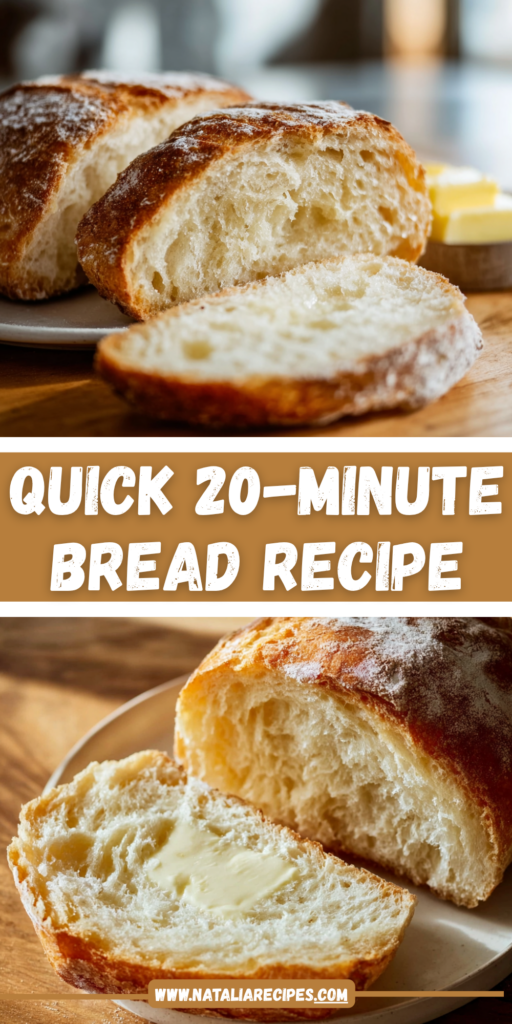
If you've ever been intimidated by yeast breads, this is the recipe that will change your mind. With just a few pantry staples and a straightforward method, you'll produce a beautiful, golden loaf that fills your kitchen with an irresistible aroma.
Advertisements1
The key to this easy bread is a technique called the 'sponge method'—we activate the yeast with a bit of sugar and warm water before mixing the dough. This ensures a reliable rise every time, even for first-time bakers.
Whether you're making sandwiches, toast, or just want to enjoy warm slices with butter, this bread delivers consistent results. Let's break it down step by step.
Why You'll Love This Recipe
About the Ingredients
1 cup (240ml) warm water (110°F/43°C)
Water temperature is crucial: too hot kills yeast, too cold slows it down. Use a thermometer if you have one; otherwise, it should feel like a warm bath.
2 1/4 teaspoons (7g) active dry yeast (one packet)
If using instant yeast, you can skip the proofing step and add it directly to the flour. Store yeast in the fridge to keep it fresh.
1 tablespoon (12g) granulated sugar
Sugar feeds the yeast and helps with browning. You can use honey or maple syrup instead, but reduce the water by 1 tablespoon to compensate for the liquid.
3 cups (375g) all-purpose flour, plus more for dusting
Bread flour will give a chewier texture, but all-purpose works perfectly. For a whole wheat version, substitute 1 cup with whole wheat flour and add 2 tablespoons of water.
1 teaspoon (6g) salt
Salt controls yeast activity and enhances flavor. Don't skip it, but you can reduce to 3/4 teaspoon if you're watching sodium.
2 tablespoons (30ml) olive oil, plus extra for greasing
Oil adds moisture and a tender crumb. Any neutral oil like canola or vegetable works; butter adds a richer flavor.
Tips & Tricks
- Ensure your water is the right temperature—too hot kills the yeast, too cold prevents rising. Use a thermometer for accuracy.
- Knead the dough until it passes the 'windowpane test': stretch a small piece, if it forms a thin membrane without tearing, it's ready.
- Let the dough rise in a warm, draft-free spot. If your kitchen is cool, preheat your oven to 200°F (95°C), turn it off, and place the dough inside with the light on.
Pro Tips
Step-by-Step Instructions
1. Proof the Yeast
In a large bowl, combine warm water, sugar, and yeast. Stir gently and let it sit for 5-10 minutes until frothy. This confirms your yeast is active.
2. Mix Dry Ingredients
In a separate bowl, whisk together flour and salt. This ensures salt is evenly distributed without directly inhibiting the yeast.
3. Form the Dough
Add the flour mixture and olive oil to the yeast mixture. Stir with a wooden spoon until a shaggy dough forms. The dough will be sticky, but that's normal.
4. Knead the Dough
Turn the dough onto a lightly floured surface. Knead for 8-10 minutes until smooth and elastic. Alternatively, use a stand mixer with a dough hook for 5-7 minutes on medium speed.
5. First Rise
Place the dough in a greased bowl, turning to coat. Cover with a damp cloth or plastic wrap. Let it rise in a warm spot for 1-1.5 hours, or until doubled in size.
6. Shape the Loaf
Punch down the dough to release air. Transfer to a floured surface, shape into a rectangle, then roll it up tightly. Pinch the seams to seal, and tuck the ends under.
7. Second Rise
Place the shaped dough into a greased 9×5-inch loaf pan. Cover and let rise for another 30-45 minutes, until it rises just above the rim of the pan.
8. Bake the Bread
Preheat your oven to 375°F (190°C). Bake for 30-35 minutes, until the top is golden brown and the loaf sounds hollow when tapped. The internal temperature should be 190°F (88°C).
9. Cool Completely
Remove the bread from the pan immediately and let it cool on a wire rack. Wait at least 1 hour before slicing to prevent a gummy texture.
Delicious Variations
Herb and Garlic
Add 1 teaspoon dried rosemary and 2 cloves minced garlic to the flour mixture for a savory twist.
Cinnamon Raisin
Add 1 tablespoon cinnamon and 1/2 cup raisins to the dough after the first rise, and brush with butter before baking.
Seeded Crust
Brush the top with an egg wash and sprinkle with sesame, poppy, or sunflower seeds before baking.
How to Store Easy Bread Recipe With Yeast
Refrigerator
Store in an airtight container or plastic bag at room temperature for up to 4 days. Do not refrigerate as it speeds up staling.
Freezer
Wrap the cooled loaf tightly in plastic wrap and then foil. Freeze for up to 3 months. Thaw at room temperature.
Reheating
To refresh, wrap in foil and heat in a 350°F (175°C) oven for 10-15 minutes. Or toast slices.
Frequently Asked Questions
Q: Why didn't my bread rise?
The most common reasons are inactive yeast (water too hot or too cold), or not enough rising time. Ensure your water is at 110°F (43°C) and let the dough double in size.
Q: Can I use instant yeast instead of active dry?
Yes, you can skip the proofing step and mix instant yeast directly with the flour. Use the same amount, but reduce the rising time by about 15 minutes.
Q: How do I know when the bread is done?
The top should be golden brown, and the internal temperature should read 190°F (88°C) on an instant-read thermometer. Tapping the bottom should sound hollow.
Q: Can I make this bread without a loaf pan?
Absolutely. Shape the dough into a round or oval and place on a baking sheet lined with parchment. Bake as directed, but check for doneness a few minutes earlier.
Q: Why is my bread dense and heavy?
This usually happens if you added too much flour or didn't knead enough. Use a light hand when flouring and knead until the dough passes the windowpane test.
I hope you enjoy this easy yeast bread as much as my family does. Don't forget to tag me in your baking photos—I'd love to see your results! Keep it simple, keep it growing.
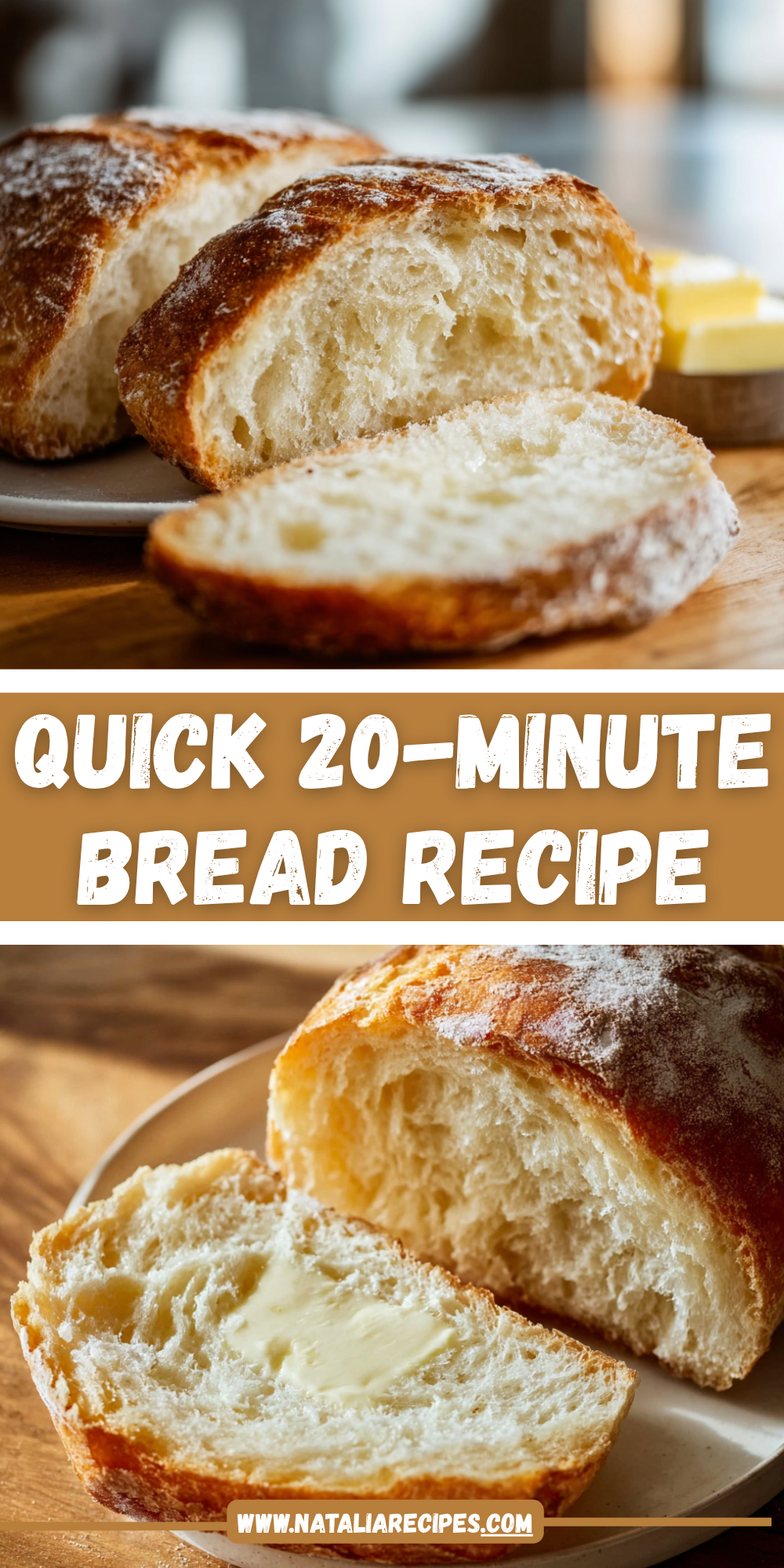
Easy Bread Recipe With Yeast
Learn how to make an easy yeast bread with a crisp crust and soft interior—perfect for beginners, ready in under an hour.
🧂 Ingredients
- 1 cup (240ml) warm water (110°F/43°C)
- 2 1/4 teaspoons (7g) active dry yeast (one packet)
- 1 tablespoon (12g) granulated sugar
- 3 cups (375g) all-purpose flour, plus more for dusting
- 1 teaspoon (6g) salt
- 2 tablespoons (30ml) olive oil, plus extra for greasing
📋 Instructions
- 1Proof the Yeast — In a large bowl, combine warm water, sugar, and yeast. Stir gently and let it sit for 5-10 minutes until frothy. This confirms your yeast is active.
- 2Mix Dry Ingredients — In a separate bowl, whisk together flour and salt. This ensures salt is evenly distributed without directly inhibiting the yeast.
- 3Form the Dough — Add the flour mixture and olive oil to the yeast mixture. Stir with a wooden spoon until a shaggy dough forms. The dough will be sticky, but that's normal.
- 4Knead the Dough — Turn the dough onto a lightly floured surface. Knead for 8-10 minutes until smooth and elastic. Alternatively, use a stand mixer with a dough hook for 5-7 minutes on medium speed.
- 5First Rise — Place the dough in a greased bowl, turning to coat. Cover with a damp cloth or plastic wrap. Let it rise in a warm spot for 1-1.5 hours, or until doubled in size.
- 6Shape the Loaf — Punch down the dough to release air. Transfer to a floured surface, shape into a rectangle, then roll it up tightly. Pinch the seams to seal, and tuck the ends under.
- 7Second Rise — Place the shaped dough into a greased 9×5-inch loaf pan. Cover and let rise for another 30-45 minutes, until it rises just above the rim of the pan.
- 8Bake the Bread — Preheat your oven to 375°F (190°C). Bake for 30-35 minutes, until the top is golden brown and the loaf sounds hollow when tapped. The internal temperature should be 190°F (88°C).
- 9Cool Completely — Remove the bread from the pan immediately and let it cool on a wire rack. Wait at least 1 hour before slicing to prevent a gummy texture.

Diego explores the intersection of technology and personal finance, sharing his journey of automating savings and investing spare change. He writes for beginners who want to make their money work harder without jargon.