
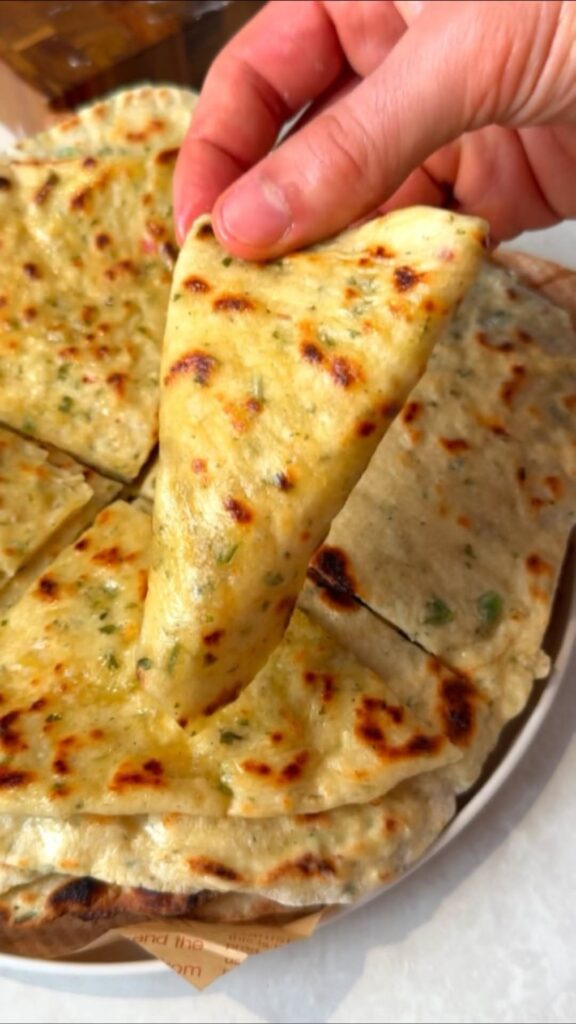
Potato bread is my go-to for sandwiches that actually hold together. The mashed potato adds moisture and a slight sweetness that makes this loaf stand out from your standard white bread.
Advertisements1
This recipe uses a simple tangzhong-style method (a cooked flour-water paste) to ensure the bread stays soft for days. I've tested it with both Yukon Gold and russet potatoes, and both work beautifully.
The dough comes together in about 20 minutes of hands-on time, then rises until doubled. You'll get a bakery-quality loaf with a crackly crust and pillowy interior.
Why You'll Love This Recipe
About the Ingredients
1 cup (240ml) whole milk, warm (110°F/43°C)
Whole milk gives a richer crumb. You can substitute 2% or plant-based milk, but avoid skim for best texture.
1/4 cup (60ml) water, warm (110°F/43°C)
Helps activate the yeast. Use filtered water if your tap water is heavily chlorinated.
2 tablespoons (30g) granulated sugar
Feeds the yeast and adds a hint of sweetness. You can use honey or maple syrup, but reduce liquid slightly.
1 packet (2 1/4 teaspoons) active dry yeast
Instant yeast also works; just skip the proofing step and mix directly into the flour.
1 cup (240g) mashed potato, cooled
Use leftover or fresh boiled potatoes. Yukon Gold or russets work best. Make sure they're lump-free for even texture.
3 1/2 cups (440g) bread flour, plus more for dusting
Bread flour gives structure. All-purpose works, but bread flour yields a chewier crumb.
1 1/2 teaspoons (9g) salt
Use fine sea salt for even distribution. If using kosher, increase to 2 teaspoons.
3 tablespoons (42g) unsalted butter, softened
Adds richness and softness. You can substitute olive oil, but the flavor will change.
1 large egg, beaten, for egg wash
Gives a shiny golden crust. Omit for a duller finish.
Tips & Tricks
Mistake to avoid
Overproofing. If the dough doubles in size and doesn't spring back when poked, it's overproofed. Stick to the time range and watch the dough, not the clock.
Mistake to avoid
Adding too much flour. The dough should be slightly sticky. Add flour gradually and stop when it just clears the sides of the bowl.
Mistake to avoid
Cutting the loaf while hot. The crumb needs time to set; wait at least 30 minutes after baking, or the slices will be gummy.
Tip
For an extra soft crust, brush the hot loaf with melted butter after baking.
Pro Tips
Step-by-Step Instructions
1. Proof the yeast
In a small bowl, combine warm milk, water, sugar, and yeast. Let stand for 5-10 minutes until frothy. If it doesn't foam, your yeast is dead—start over.
2. Mix the dough
In a large bowl, whisk together bread flour and salt. Add the yeast mixture, mashed potato, and softened butter. Stir with a wooden spoon until a shaggy dough forms.
3. Knead the dough
Turn the dough onto a lightly floured surface. Knead for 8-10 minutes until smooth and elastic. The dough should pass the windowpane test—stretch a piece thin without tearing.
4. First rise
Place the dough in a lightly oiled bowl, cover with plastic wrap or a damp towel, and let rise in a warm spot (75°F/24°C) for 1-1.5 hours, or until doubled in size.
5. Shape the loaf
Punch down the dough and turn out onto a lightly floured surface. Shape into a 9×5-inch loaf by rolling it into a rectangle and folding the short ends in. Place seam-side down in a greased loaf pan.
6. Second rise
Cover the pan loosely with oiled plastic wrap. Let rise for 45-60 minutes, or until the dough rises about 1 inch above the rim of the pan.
7. Preheat the oven
About 20 minutes before baking, preheat the oven to 375°F (190°C). Position a rack in the lower third of the oven.
8. Bake the bread
Brush the top with beaten egg. Bake for 35-40 minutes, until the crust is deep golden brown and the internal temperature reaches 200°F (93°C). If the top browns too quickly, tent with foil.
9. Cool and serve
Remove the bread from the oven and let it rest in the pan for 5 minutes. Then transfer to a wire rack to cool completely before slicing.
Delicious Variations
Herb Potato Bread
Add 1 teaspoon dried rosemary and 1/2 teaspoon garlic powder to the dough for a savory twist.
Whole Wheat Potato Bread
Substitute 1 cup of bread flour with whole wheat flour. Add 1 tablespoon extra water, as whole wheat absorbs more liquid.
Cheesy Potato Bread
Fold in 1 cup (120g) shredded cheddar cheese after the first rise for a cheesy pull-apart loaf.
How to Store Potato Bread
Refrigerator
Store in an airtight container or plastic wrap at room temperature for up to 3 days. For longer storage, refrigerate for up to a week—though it may dry out slightly.
Freezer
Wrap the cooled loaf tightly in plastic wrap, then foil. Freeze for up to 3 months. Thaw at room temperature for 2-3 hours.
Reheating
To refresh, wrap in foil and warm in a 350°F (175°C) oven for 10 minutes. Or toast slices directly from frozen.
Frequently Asked Questions
Q: Can I use instant yeast instead of active dry?
Yes, you can use instant yeast. Skip the proofing step and mix it directly with the flour, then add the warm liquids. You may need to reduce the rise time slightly.
Q: Why is my potato bread dense?
A dense loaf usually means too much flour or not enough kneading. Weigh your flour and knead until the dough is smooth and elastic.
Q: Can I make this gluten-free?
This recipe is not gluten-free as written. For a gluten-free version, use a 1:1 gluten-free flour blend and add 1 teaspoon xanthan gum if not included in the blend.
Q: How do I know when the bread is done?
The bread is done when the crust is deep golden brown and the internal temperature registers 200°F (93°C) on an instant-read thermometer. If you tap the bottom, it should sound hollow.
Q: Can I use leftover mashed potatoes?
Absolutely! Just make sure they are plain (no added butter or milk) and at room temperature. If they're cold, the dough may take longer to rise.
If you try this potato bread, drop a comment below and let me know how it turned out. And if you're a bread-baking newbie, this is the perfect recipe to start with—it's forgiving and delicious.
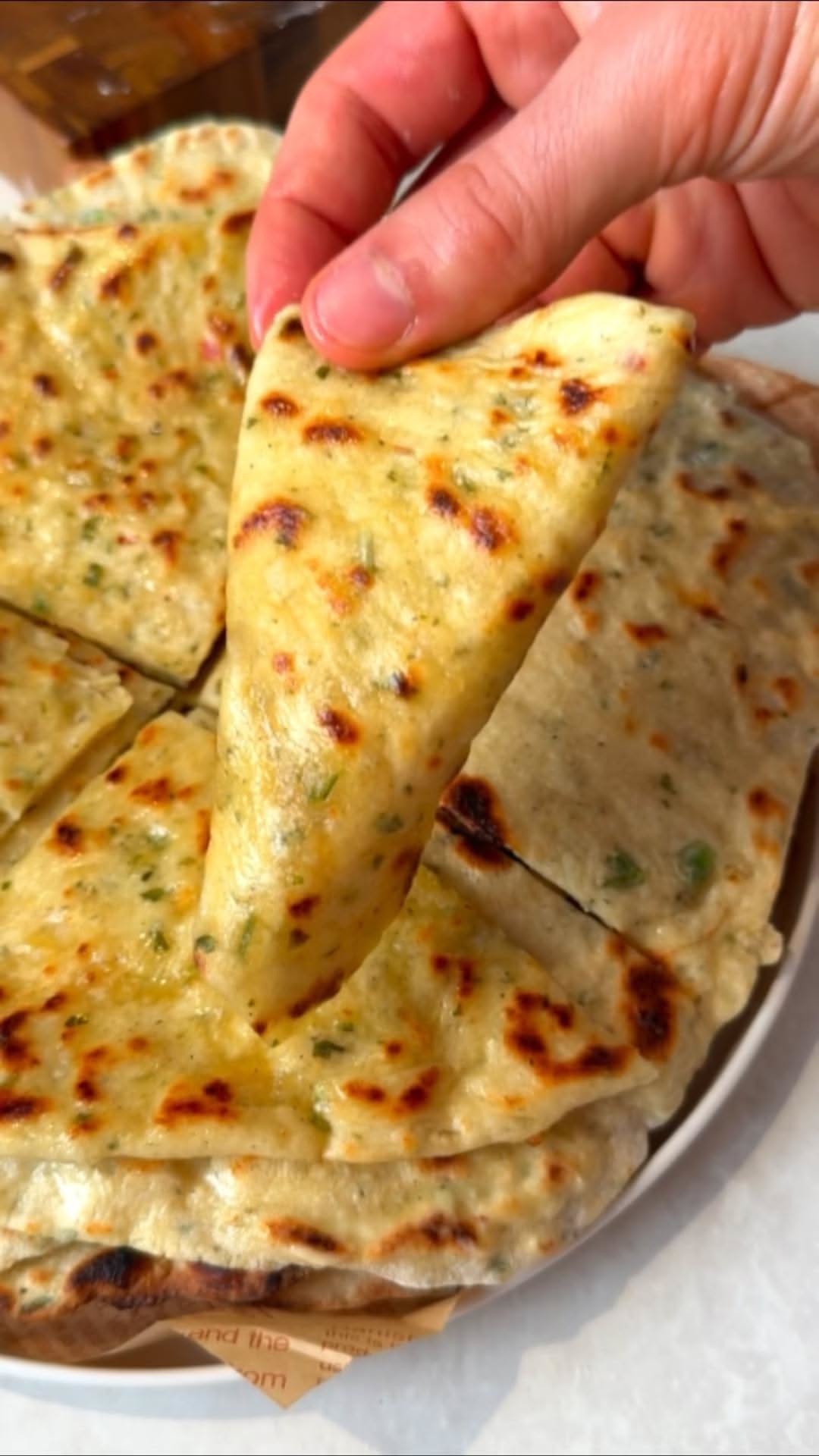
Potato Bread
Potato Bread: a soft, fluffy homemade loaf with a tender crumb and golden crust. Perfect for sandwiches or toast.
🧂 Ingredients
- 1 cup (240ml) whole milk, warm (110°F/43°C)
- 1/4 cup (60ml) water, warm (110°F/43°C)
- 2 tablespoons (30g) granulated sugar
- 1 packet (2 1/4 teaspoons) active dry yeast
- 1 cup (240g) mashed potato, cooled
- 3 1/2 cups (440g) bread flour, plus more for dusting
- 1 1/2 teaspoons (9g) salt
- 3 tablespoons (42g) unsalted butter, softened
- 1 large egg, beaten, for egg wash
📋 Instructions
- 1Proof the yeast — In a small bowl, combine warm milk, water, sugar, and yeast. Let stand for 5-10 minutes until frothy. If it doesn't foam, your yeast is dead—start over.
- 2Mix the dough — In a large bowl, whisk together bread flour and salt. Add the yeast mixture, mashed potato, and softened butter. Stir with a wooden spoon until a shaggy dough forms.
- 3Knead the dough — Turn the dough onto a lightly floured surface. Knead for 8-10 minutes until smooth and elastic. The dough should pass the windowpane test—stretch a piece thin without tearing.
- 4First rise — Place the dough in a lightly oiled bowl, cover with plastic wrap or a damp towel, and let rise in a warm spot (75°F/24°C) for 1-1.5 hours, or until doubled in size.
- 5Shape the loaf — Punch down the dough and turn out onto a lightly floured surface. Shape into a 9×5-inch loaf by rolling it into a rectangle and folding the short ends in. Place seam-side down in a greased loaf pan.
- 6Second rise — Cover the pan loosely with oiled plastic wrap. Let rise for 45-60 minutes, or until the dough rises about 1 inch above the rim of the pan.
- 7Preheat the oven — About 20 minutes before baking, preheat the oven to 375°F (190°C). Position a rack in the lower third of the oven.
- 8Bake the bread — Brush the top with beaten egg. Bake for 35-40 minutes, until the crust is deep golden brown and the internal temperature reaches 200°F (93°C). If the top browns too quickly, tent with foil.
- 9Cool and serve — Remove the bread from the oven and let it rest in the pan for 5 minutes. Then transfer to a wire rack to cool completely before slicing.

Liam covers personal finance and investing for beginners, with a focus on behavioral psychology and avoiding common money traps. He writes from the perspective of a self-taught enthusiast.