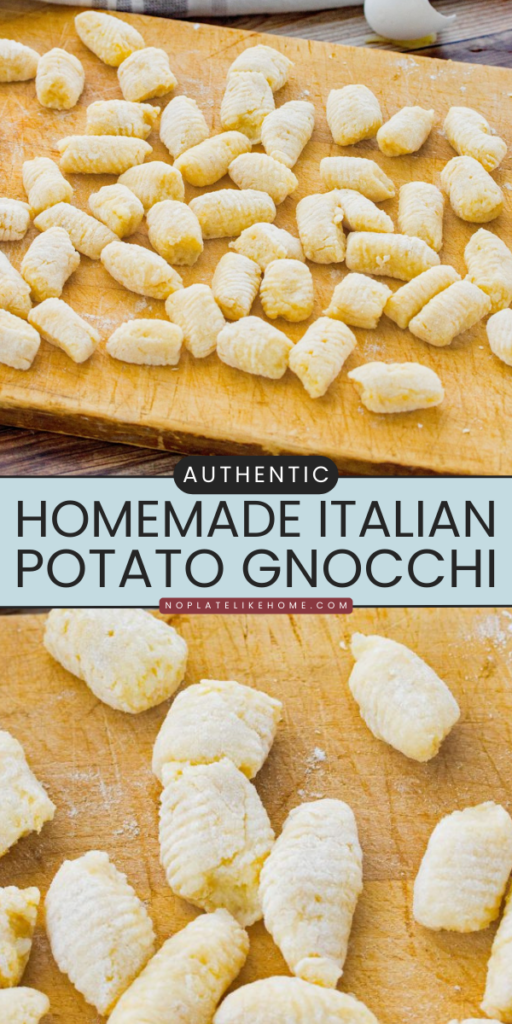
Homemade Italian gnocchi is one of those dishes that looks intimidating and turns out to be mostly about ratios. Two parts potato to one part flour by weight, a light hand, and you get dumplings that float in 90 seconds instead of the dense rubbery pellets sold in vacuum-sealed packages.
Advertisements1
Here is the logic behind the method: potatoes carry moisture, and moisture is what forces you to add extra flour. Extra flour means gluten, and gluten means chew. So we steam rather than boil, dry the potatoes, and riced them while hot so the steam escapes before the flour ever shows up.
The whole batch takes about 50 minutes from raw potato to plated gnocchi, feeds six people generously, and freezes beautifully, so you can make a double batch and bank half of it for a weeknight.
Why You'll Love This Recipe
About the Ingredients
2 lb (900 g) russet or Yukon Gold potatoes, unpeeled
Russets give the fluffiest result because they are high-starch and low-moisture; Yukon Golds are a good middle ground. Avoid waxy red potatoes, which stay gluey.
2 cups (250 g) all-purpose flour, plus more for dusting
Type 00 flour gives a silkier texture if you have it, but all-purpose works fine. Do not swap in bread flour, the higher protein makes the gnocchi tough.
1 large egg, lightly beaten
The egg is a binder and a safety net for beginners. If you want a stricter traditional version, omit it and add 2 tablespoons of water instead.
1 tsp fine sea salt, plus more for the boiling water
Fine salt dissolves evenly into the dough. If using kosher salt, use 1 1/2 teaspoons since the crystals are larger.
1/4 tsp freshly grated nutmeg
A tiny amount rounds out the potato flavor without tasting like dessert. Ground nutmeg from a jar works but loses potency after six months.
4 tbsp (56 g) unsalted butter
For the brown butter finish. Salted butter works, just skip the added salt in the sauce.
8 fresh sage leaves
Sage is the classic pairing. If you dislike it, rosemary or thyme both work, but use half the amount since they are stronger.
1/2 cup (50 g) freshly grated Parmigiano-Reggiano
Buy a wedge and grate it yourself; pre-shredded cheese is coated in starch and will not melt smoothly.
Tips & Tricks
- Weigh your potatoes after ricing, not before: You need roughly 500 g of riced potato for every 250 g of flour. Guessing by volume is the number one cause of dense gnocchi.
- Rice the potatoes while they are still hot: Hot potato releases steam as it passes through the ricer, which is exactly the moisture you want gone before flour enters the picture.
- Stop adding flour the moment the dough stops sticking to your fingers: The dough should feel soft and slightly tacky, like a firm pillow, not like Play-Doh. Extra flour is the enemy here.
- Test one gnocchi before shaping the whole batch: Drop a single dumpling in boiling water. If it holds together and floats, your ratio is right. If it disintegrates, work in one more tablespoon of flour.
Pro Tips
Step-by-Step Instructions
1. Steam the potatoes
Place unpeeled potatoes in a steamer basket over 2 inches of boiling water, cover, and steam at a rolling simmer (212 F / 100 C) for 25 to 30 minutes. They are done when a paring knife slides in with zero resistance and the potato gives no pushback.
2. Dry and rice them
Peel the potatoes while hot using a paring knife or a clean kitchen towel, then pass them through a ricer onto a sheet pan. Spread them into a thin layer and let them steam-dry for 5 minutes; the surface should look matte, not glistening.
3. Build the dough
Mound the riced potato on a work surface, make a well, and add the egg, salt, and nutmeg. Sprinkle the flour over everything and use a bench scraper to fold it together until a shaggy dough forms, about 1 minute.
4. Knead briefly
Knead gently for 60 to 90 seconds, just until the dough holds together and no dry flour remains. Press a finger in; the dough should spring back slightly and feel soft, not stiff.
5. Roll and cut
Cut the dough into 6 pieces. Roll each into a 3/4-inch-thick rope on a lightly floured surface, then cut into 1-inch pillows. Keep the pieces you are not working with covered under a towel.
6. Ridge the gnocchi
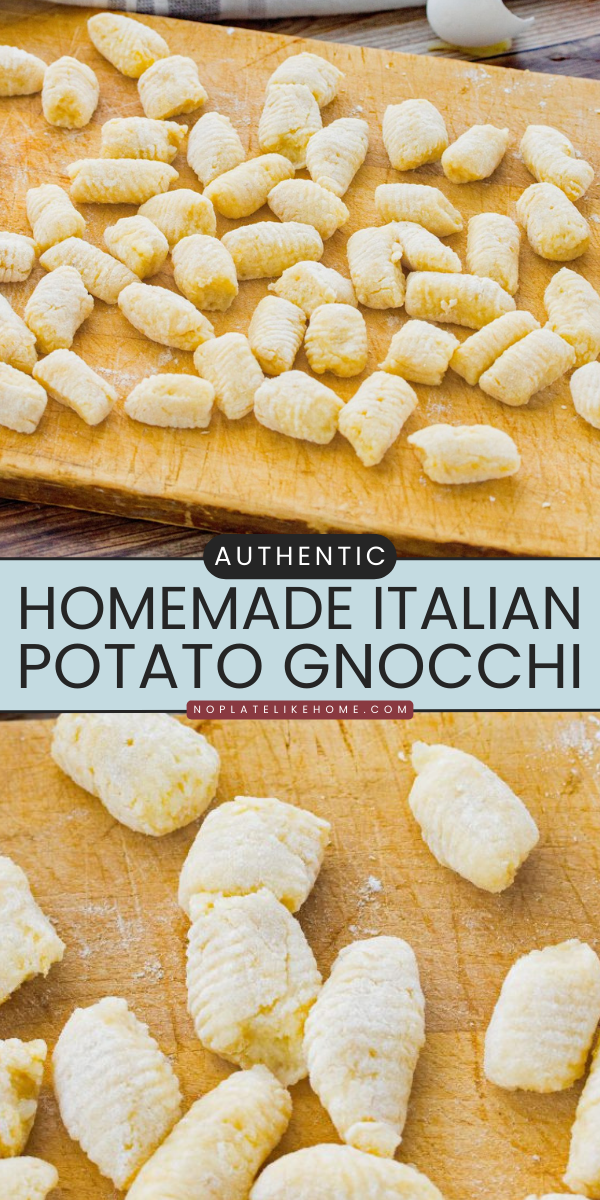
Roll each pillow down the back of a floured fork with your thumb, pressing lightly to create ridges. Set finished gnocchi on a floured sheet pan in a single layer, spacing them so they do not touch.
7. Boil in batches
Bring a large pot of salted water to a boil (212 F / 100 C). Drop in 15 to 20 gnocchi at a time and cook for 60 to 90 seconds; they are done the moment they float to the surface and the water returns to a gentle simmer.
8. Brown the butter and finish
Melt the butter in a wide skillet over medium heat (325 F / 165 C) and cook for 3 to 4 minutes until it smells nutty and the milk solids turn golden brown. Add the sage, fry 30 seconds, then toss in the drained gnocchi and 1/4 cup pasta water. Cook 1 minute until the sauce clings, then finish with Parmigiano.
Delicious Variations
Sweet potato gnocchi
Swap half the russets for roasted sweet potato and add 1/4 cup extra flour, since sweet potatoes hold more water.
Spinach gnocchi
Squeeze 5 ounces of thawed frozen spinach completely dry, chop fine, and fold it into the dough with an extra 2 tablespoons of flour.
Semolina gnocchi alla romana
Skip the ricing entirely and simmer 2 cups of milk with 1 cup semolina, spread it 1/2 inch thick, chill, cut into rounds, and bake at 400 F (200 C) for 20 minutes with butter and cheese.
How to Store Italian Gnocchi Recipes Homemade
Refrigerator
Store cooked gnocchi in an airtight container for up to 3 days. Raw shaped gnocchi keep on a floured sheet pan, covered, for up to 24 hours.
Freezer
Freeze shaped raw gnocchi on a sheet pan for 2 hours, then transfer to a freezer bag for up to 3 months. Cook from frozen, adding 30 seconds to the boil time.
Reheating
Reheat cooked gnocchi in a skillet over medium heat (325 F / 165 C) with a splash of water or sauce for 3 to 4 minutes. Avoid the microwave, which turns them rubbery.
Frequently Asked Questions
Q: Why do my homemade gnocchi turn out dense and heavy?
Too much flour is almost always the cause, and it usually happens because the potatoes were boiled instead of steamed and carried extra water into the dough. Steam the potatoes, rice them hot, and let them dry for 5 minutes before adding flour. Weigh the riced potato and use roughly half its weight in flour.
Q: Can I make gnocchi without eggs?
Yes, and many traditional Italian versions skip them entirely. Replace the egg with 2 tablespoons of warm water and knead just until the dough holds; the potato starch does the binding work. Eggless gnocchi are slightly more delicate, so handle them gently and boil in small batches.
Q: How do I know when gnocchi are cooked?
They are done 60 to 90 seconds after they float to the surface. Floating means the interior has set and steam has filled the dumpling, but leaving them in longer makes them waterlogged. Scoop them out with a slotted spoon the second they rise.
Q: Can I use instant mashed potato flakes instead of fresh potatoes?
You can, and it is a legitimate shortcut used in some Italian kitchens, but the texture is noticeably more uniform and less fluffy. Use 2 cups of flakes rehydrated with 1 1/2 cups hot water, then follow the same flour ratio. Fresh potatoes still win on flavor.
Q: What is the best sauce for homemade gnocchi?
Brown butter with sage is the classic because the nutty fat mirrors the potato, but a simple tomato-basil sauce or pesto Genovese both work beautifully. Whatever you choose, toss the gnocchi in the sauce in the pan rather than spooning sauce over a pile, so every dumpling gets coated.
Make one batch this weekend and freeze half of it. Once you feel the dough come together in your hands, the packaged stuff stops making sense. Keep it simple, keep it growing.
Italian Gnocchi Recipes Homemade
Homemade Italian gnocchi recipe delivers pillowy potato dumplings that cook in 90 seconds and cost a fraction of store-bought versions.
🧂 Ingredients
- 2 lb (900 g) russet or Yukon Gold potatoes, unpeeled
- 2 cups (250 g) all-purpose flour, plus more for dusting
- 1 large egg, lightly beaten
- 1 tsp fine sea salt, plus more for the boiling water
- 1/4 tsp freshly grated nutmeg
- 4 tbsp (56 g) unsalted butter
- 8 fresh sage leaves
- 1/2 cup (50 g) freshly grated Parmigiano-Reggiano
📋 Instructions
- 1Steam the potatoes — Place unpeeled potatoes in a steamer basket over 2 inches of boiling water, cover, and steam at a rolling simmer (212 F / 100 C) for 25 to 30 minutes. They are done when a paring knife slides in with zero resistance and the potato gives no pushback.
- 2Dry and rice them — Peel the potatoes while hot using a paring knife or a clean kitchen towel, then pass them through a ricer onto a sheet pan. Spread them into a thin layer and let them steam-dry for 5 minutes; the surface should look matte, not glistening.
- 3Build the dough — Mound the riced potato on a work surface, make a well, and add the egg, salt, and nutmeg. Sprinkle the flour over everything and use a bench scraper to fold it together until a shaggy dough forms, about 1 minute.
- 4Knead briefly — Knead gently for 60 to 90 seconds, just until the dough holds together and no dry flour remains. Press a finger in; the dough should spring back slightly and feel soft, not stiff.
- 5Roll and cut — Cut the dough into 6 pieces. Roll each into a 3/4-inch-thick rope on a lightly floured surface, then cut into 1-inch pillows. Keep the pieces you are not working with covered under a towel.
- 6Ridge the gnocchi — Roll each pillow down the back of a floured fork with your thumb, pressing lightly to create ridges. Set finished gnocchi on a floured sheet pan in a single layer, spacing them so they do not touch.
- 7Boil in batches — Bring a large pot of salted water to a boil (212 F / 100 C). Drop in 15 to 20 gnocchi at a time and cook for 60 to 90 seconds; they are done the moment they float to the surface and the water returns to a gentle simmer.
- 8Brown the butter and finish — Melt the butter in a wide skillet over medium heat (325 F / 165 C) and cook for 3 to 4 minutes until it smells nutty and the milk solids turn golden brown. Add the sage, fry 30 seconds, then toss in the drained gnocchi and 1/4 cup pasta water. Cook 1 minute until the sauce clings, then finish with Parmigiano.

Diego explores the intersection of technology and personal finance, sharing his journey of automating savings and investing spare change. He writes for beginners who want to make their money work harder without jargon.