Eggplant often gets a bad rap for being bitter or spongy, but with the right techniques, it becomes a culinary chameleon that absorbs flavors beautifully. In this guide, I'll show you a collection of healthy cooking ideas that transform this purple gem into satisfying, nutrient-dense meals.
Advertisements1
From oven-roasted cubes to a creamy dip and a hearty skillet, these recipes are designed to be flexible, forgiving, and packed with umami. Whether you're a seasoned cook or a newbie, you'll find step-by-step instructions that demystify eggplant preparation.
Let's dive into the science of eggplant: it's a sponge, so we'll control moisture and oil to achieve perfect texture every time. No more soggy or oily disasters—just clean, vibrant dishes that make you feel good.
Why You'll Love This Recipe
About the Ingredients
2 large eggplants (about 2 lbs / 900g total)
Look for firm, glossy skin without blemishes. If you want to reduce bitterness, salt and drain before cooking, but modern varieties are less bitter.
3 tablespoons (45ml) olive oil, divided
Use a good quality extra-virgin for flavor; you can substitute avocado oil for a higher smoke point.
1 teaspoon (5g) sea salt
Flaky sea salt works best for finishing, but fine salt is fine for cooking. Reduce if you're watching sodium.
1/2 teaspoon (1g) smoked paprika
Adds a smoky depth; if you don't have it, use regular paprika plus a pinch of cumin.
1/4 teaspoon (0.5g) black pepper
Freshly ground is best; pre-ground works too.
1 cup (240ml) canned crushed tomatoes
Opt for no-salt-added to control sodium. You can also use diced tomatoes and blend them.
2 cloves garlic, minced
Fresh garlic is key; if using jarred, use 1 teaspoon.
1 tablespoon (15ml) balsamic vinegar
Aged balsamic adds sweetness; red wine vinegar is a good substitute.
1/4 cup (10g) fresh basil, chopped
Adds freshness; if fresh is unavailable, use 1 teaspoon dried basil.
1/2 cup (50g) grated Parmesan cheese (optional)
For a dairy-free version, use nutritional yeast or omit.
Tips & Tricks
- Salting eggplant before cooking draws out moisture and reduces bitterness. Sprinkle with salt, let sit 30 minutes, then pat dry.
- Cut eggplant into uniform pieces to ensure even cooking. Aim for 1-inch cubes or 1/2-inch slices.
- Don't overcrowd the pan when roasting or sautéing—give each piece space to brown instead of steam.
Pro Tips
Step-by-Step Instructions
1. Prep the Eggplant
Wash and trim the eggplants. Cut into 1-inch cubes (about 4 cups total). If you have time, toss with 1 teaspoon salt and let sit in a colander for 30 minutes, then pat dry. This step reduces bitterness and helps the eggplant absorb less oil.
2. Preheat Oven
Preheat your oven to 425°F (220°C). Line a baking sheet with parchment paper for easy cleanup.
3. Season and Oil
In a large bowl, toss the eggplant cubes with 2 tablespoons olive oil, smoked paprika, and black pepper. Ensure every piece is lightly coated. The oil helps promote browning and flavor.
4. Roast the Eggplant
Spread the cubes in a single layer on the baking sheet. Roast for 25-30 minutes, flipping halfway, until golden brown and tender. The cubes should be easily pierced with a fork and have caramelized edges.
5. Sauté Aromatics
While the eggplant roasts, heat the remaining 1 tablespoon olive oil in a large skillet over medium heat. Add the minced garlic and sauté for 1 minute until fragrant, not browned. This builds a flavor base.
6. Add Tomatoes and Vinegar
Pour in the crushed tomatoes and balsamic vinegar. Stir and bring to a simmer. Let cook for 5 minutes, allowing the sauce to thicken slightly. The vinegar adds acidity to balance the eggplant's richness.
7. Combine and Simmer
Once the eggplant is roasted, add it to the skillet with the sauce. Stir gently to coat. Let everything simmer together for 5-7 minutes, allowing the flavors to meld. The eggplant will absorb some sauce and become even more tender.
8. Finish and Serve
Taste and adjust seasoning with salt and pepper. Fold in the fresh basil. If using, sprinkle with Parmesan cheese. Serve hot as a side dish, over grains, or as a topping for toast. The basil adds a fresh, fragrant note.
Delicious Variations
Mediterranean
Add 1/2 cup crumbled feta and a handful of Kalamata olives in the last 2 minutes of cooking.
Spicy
Add 1/2 teaspoon red pepper flakes with the garlic for a kick.
Protein-Packed
Stir in 1 cup cooked chickpeas or white beans when combining with the sauce for extra fiber and protein.
How to Store Healthy Eggplant Cooking Ideas
Refrigerator
Store in an airtight container for up to 4 days. The flavors will meld and improve.
Freezer
Freeze in a freezer-safe container for up to 3 months. Thaw overnight in the fridge before reheating.
Reheating
Reheat in a skillet over medium heat, stirring occasionally, until warmed through. Add a splash of water if it seems dry.
Frequently Asked Questions
Q: Do I need to salt eggplant before cooking?
Yes, salting is recommended to draw out excess moisture and reduce bitterness, especially for larger or older eggplants. It also helps the eggplant absorb less oil during cooking.
Q: Can I eat the skin of eggplant?
Yes, the skin is edible and contains fiber and antioxidants. It becomes tender when cooked, but if you prefer a smoother texture, you can peel it partially or fully.
Q: How do I know when eggplant is cooked?
Eggplant is done when it's fork-tender and the flesh is creamy. For roasted cubes, look for golden-brown edges and an internal temperature of about 200°F (93°C).
Q: What can I use instead of eggplant?
If you're out of eggplant, zucchini or portobello mushrooms make great substitutes in most recipes, though cooking times may vary slightly.
Q: Is eggplant healthy?
Yes, eggplant is low in calories and carbohydrates, high in fiber, and a good source of vitamins and antioxidants like nasunin, which supports brain health.
If you try these Healthy Eggplant Cooking Ideas, I'd love to hear how they turn out! Drop a comment below, share your variations, or tag me in your photos. Stay curious, stay solvent.
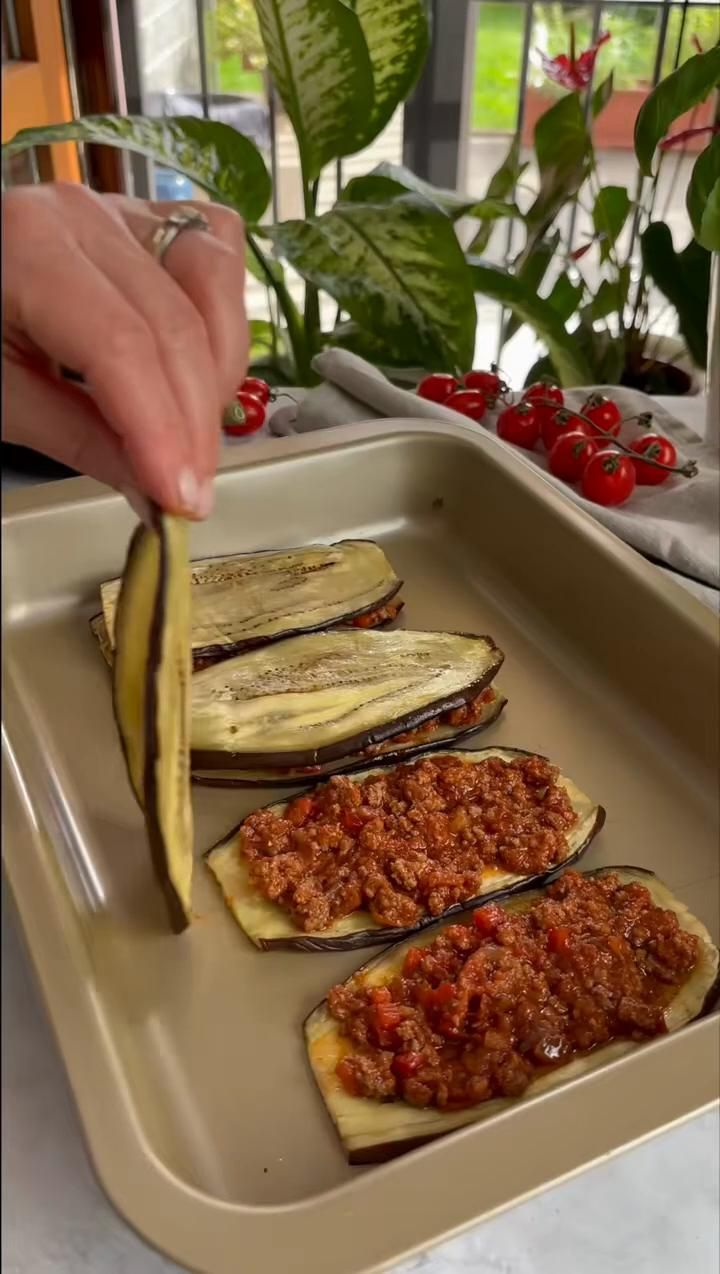
Healthy Eggplant Cooking Ideas
Healthy Eggplant Cooking Ideas: versatile, low-carb recipes that are easy to make and packed with flavor, perfect for weeknight dinners.
🧂 Ingredients
- 2 large eggplants (about 2 lbs / 900g total)
- 3 tablespoons (45ml) olive oil, divided
- 1 teaspoon (5g) sea salt
- 1/2 teaspoon (1g) smoked paprika
- 1/4 teaspoon (0.5g) black pepper
- 1 cup (240ml) canned crushed tomatoes
- 2 cloves garlic, minced
- 1 tablespoon (15ml) balsamic vinegar
- 1/4 cup (10g) fresh basil, chopped
- 1/2 cup (50g) grated Parmesan cheese (optional)
📋 Instructions
- 1Prep the Eggplant — Wash and trim the eggplants. Cut into 1-inch cubes (about 4 cups total). If you have time, toss with 1 teaspoon salt and let sit in a colander for 30 minutes, then pat dry. This step reduces bitterness and helps the eggplant absorb less oil.
- 2Preheat Oven — Preheat your oven to 425°F (220°C). Line a baking sheet with parchment paper for easy cleanup.
- 3Season and Oil — In a large bowl, toss the eggplant cubes with 2 tablespoons olive oil, smoked paprika, and black pepper. Ensure every piece is lightly coated. The oil helps promote browning and flavor.
- 4Roast the Eggplant — Spread the cubes in a single layer on the baking sheet. Roast for 25-30 minutes, flipping halfway, until golden brown and tender. The cubes should be easily pierced with a fork and have caramelized edges.
- 5Sauté Aromatics — While the eggplant roasts, heat the remaining 1 tablespoon olive oil in a large skillet over medium heat. Add the minced garlic and sauté for 1 minute until fragrant, not browned. This builds a flavor base.
- 6Add Tomatoes and Vinegar — Pour in the crushed tomatoes and balsamic vinegar. Stir and bring to a simmer. Let cook for 5 minutes, allowing the sauce to thicken slightly. The vinegar adds acidity to balance the eggplant's richness.
- 7Combine and Simmer — Once the eggplant is roasted, add it to the skillet with the sauce. Stir gently to coat. Let everything simmer together for 5-7 minutes, allowing the flavors to meld. The eggplant will absorb some sauce and become even more tender.
- 8Finish and Serve — Taste and adjust seasoning with salt and pepper. Fold in the fresh basil. If using, sprinkle with Parmesan cheese. Serve hot as a side dish, over grains, or as a topping for toast. The basil adds a fresh, fragrant note.

Liam covers personal finance and investing for beginners, with a focus on behavioral psychology and avoiding common money traps. He writes from the perspective of a self-taught enthusiast.